Sri Lanka Targets 960 MW Battery Storage Capacity by Mid-2027
COLOMBO, September 19, 2026 — Sri Lanka plans to expand its Battery Energy Storage System (BESS) capacity to nearly 960 MW by the end of 2027, as the Government seeks to make greater use of surplus solar power generated during daytime hours.
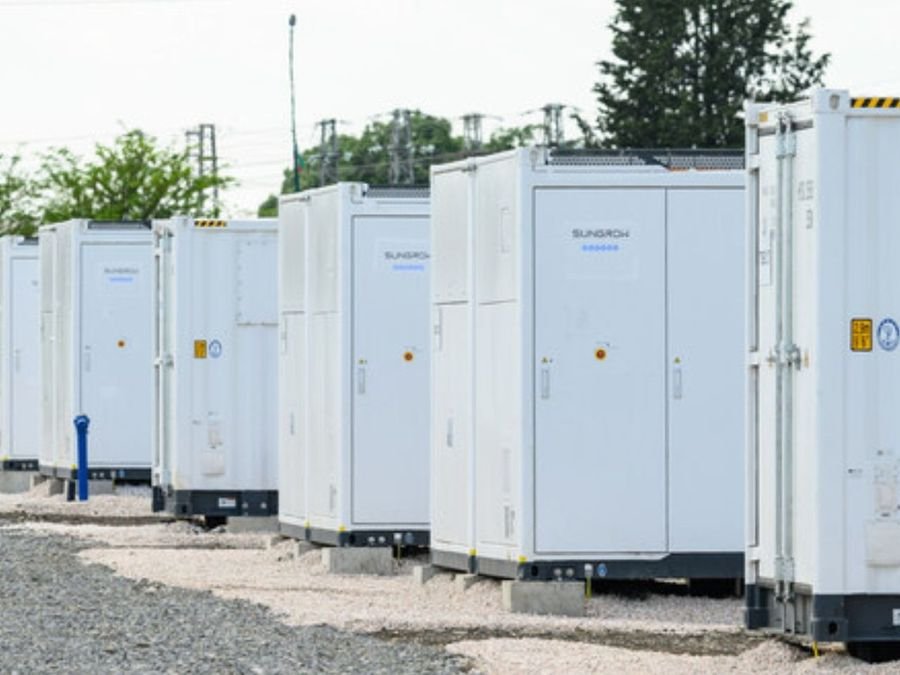
Energy Minister Anura Karunathilake announced the target during the commissioning of a 10 MW/40 MWh battery storage system in Anuradhapura, which has been connected to the national electricity grid. The facility is the first of 13 systems being developed under the country’s first grid-scale standalone BESS programme.
The 13 facilities being developed by StoreX Ltd. will have a combined capacity of 130 MW/520 MWh once completed. The company expects the remaining 12 facilities to be connected to the grid within the next two to three months.
According to the Energy Minister, Sri Lanka is currently generating close to 3,000 MW of solar power during the daytime, compared with average daytime electricity demand of around 2,800 MW. At night, demand rises to approximately 3,100 MW, creating a need to store excess daytime generation for use during evening and night-time peak periods.
The Government is also implementing additional battery storage projects with a combined capacity of 160 MW, which are targeted for completion before the end of 2026.
In addition, bids have been called for battery storage projects with capacities of 400 MW, 250 MW and 150 MW. Some of these projects are currently at the evaluation stage, with the Government targeting their completion during the first half of 2027.
The expansion of battery storage is expected to help Sri Lanka integrate a greater amount of renewable energy into the national grid. By storing excess solar generation during periods of high production and releasing it during peak demand, battery systems can also reduce the need for fossil-fuel-based electricity generation at night.
The development comes alongside growing private-sector investment in Sri Lanka’s renewable energy and storage infrastructure.
WindForce PLC and Vidullanka PLC recently commissioned the first grid-scale standalone BESS facility under the programme in Anuradhapura. The companies are involved in 13 of the 16 projects awarded through international competitive bidding, collectively providing 130 MW/520 MWh of storage capacity.
A 5 MW floating solar power plant was also inaugurated alongside the battery storage facility. The project is expected to generate approximately 9 GWh of electricity annually and increase WindForce’s total renewable energy generation capacity to around 268 MW.
The Government’s planned expansion of battery storage represents a significant development for Sri Lanka’s electricity sector, particularly as the country continues to increase its reliance on solar and other renewable energy sources.
With more storage capacity being added to the grid, Sri Lanka aims to better manage fluctuations in renewable generation, improve grid flexibility and make greater use of locally generated renewable electricity.