Ending IMF Engagement After 2027 Could Put Sri Lanka’s Economic Recovery at Risk
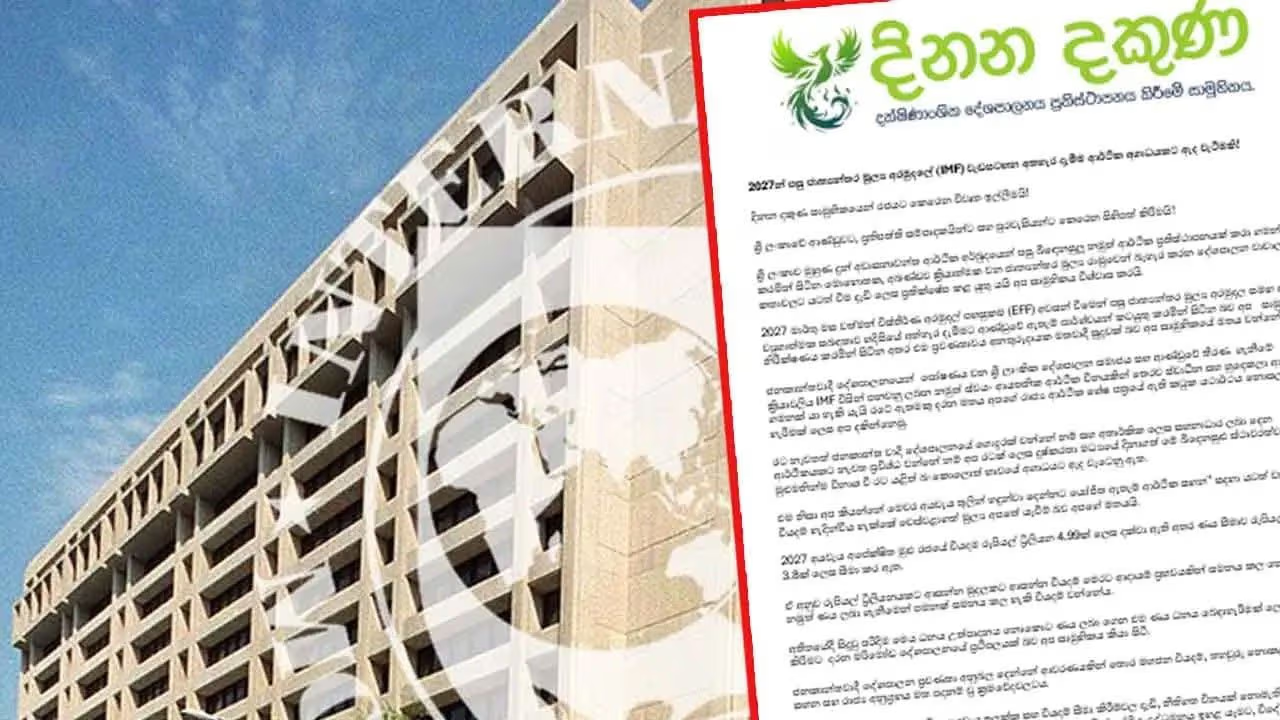
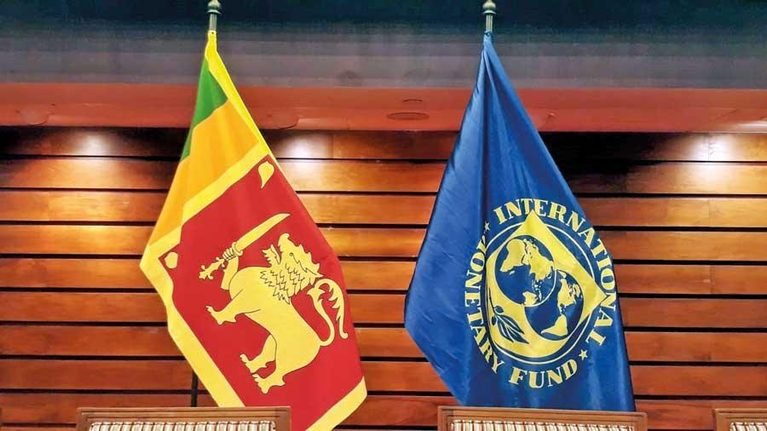
COLOMBO, September 27, 2026 — Sri Lanka could face renewed economic instability if it abandons its structural engagement with the International Monetary Fund (IMF) after the current programme ends in 2027, the Dinana Dakuna collective has warned.
In a statement, the group said Sri Lanka’s economic recovery remains fragile following the country’s recent financial crisis and argued that maintaining the existing international financial framework would be critical to protecting the gains achieved through the recovery process.
The warning comes amid growing debate over Sri Lanka’s economic strategy after the current four-year Extended Fund Facility (EFF) programme expires in March 2027.
The collective claimed that sections of the Government were considering ending the country’s structural engagement with the IMF after the programme concludes, describing such a move as a “dangerous ideological gamble.”
Business Confidence at Stake
According to the group, the issue extends beyond the IMF programme itself and could directly affect investor confidence, borrowing costs, exchange-rate stability and access to international financing.
It warned that abandoning the policy discipline associated with the IMF framework could create uncertainty over Sri Lanka’s commitment to fiscal consolidation, debt sustainability and structural reforms.
For businesses and investors, any deterioration in confidence could translate into higher financing costs and greater uncertainty over future tax, monetary and fiscal policies.
Warning Against a Return to Pre-Crisis Policies
The collective rejected the argument that Sri Lanka could pursue a completely independent economic path without the institutional discipline associated with an IMF programme.
It argued that such an approach could overlook the country’s continuing fiscal constraints and debt obligations.
The group also warned against a return to politically driven economic policies and what it described as unsustainable subsidies, saying these could weaken the fiscal improvements achieved since the economic crisis.
A renewed deterioration in public finances, it said, could ultimately increase pressure on the currency, inflation and interest rates while undermining private-sector investment.
Concerns Over Budget Relief Measures
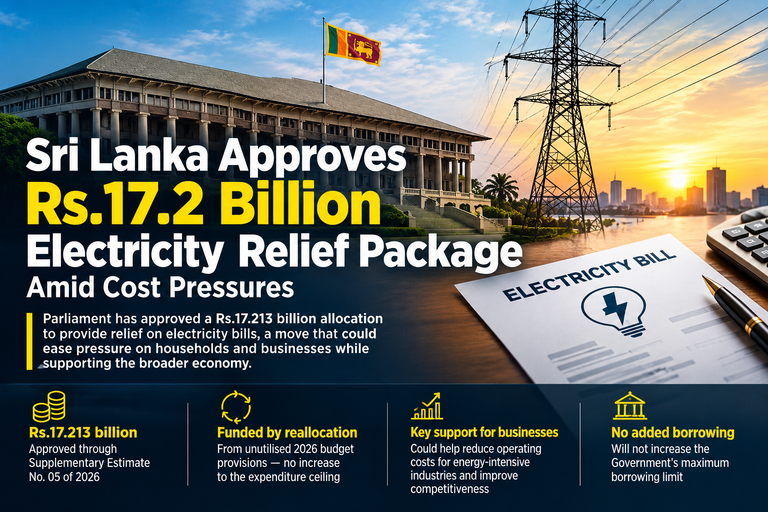
The statement also criticised certain economic relief measures being considered for the upcoming Budget.
The collective described some proposed government expenditure as potentially amounting to “disguised fiscal waste”, arguing that spending decisions should be assessed against their long-term impact on public finances.
It called for continued fiscal discipline and reforms rather than measures that could provide short-term political or economic relief at the expense of longer-term stability.
Post-2027 Policy Framework Comes Under Focus
The debate comes at a critical point for Sri Lanka as policymakers prepare for the period after the current EFF programme.
The IMF programme has provided an external policy framework for fiscal consolidation, debt restructuring and economic reforms since 2023. Sri Lanka is now expected to demonstrate that it can maintain these gains while gradually restoring greater policy flexibility.
The collective said the Government should prioritise fiscal discipline, sustainable public spending, debt management and institutional reforms as it prepares for the post-IMF period.
For the private sector, the credibility of that transition will be closely watched. Maintaining macroeconomic stability will be important for attracting investment, securing financing and supporting business expansion.
The group warned that reversing reforms or weakening fiscal discipline after 2027 could risk undoing progress made since the crisis and potentially expose Sri Lanka to another period of financial instability.
The debate over Sri Lanka’s post-2027 IMF strategy is therefore becoming increasingly significant for business confidence, investment decisions and the country’s broader economic recovery.