Trump Calls for Zelenskiy’s Replacement as US-Russia Diesel Deal Deepens Ukraine Rift
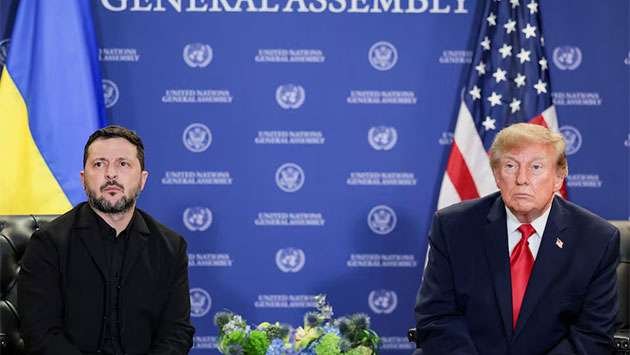
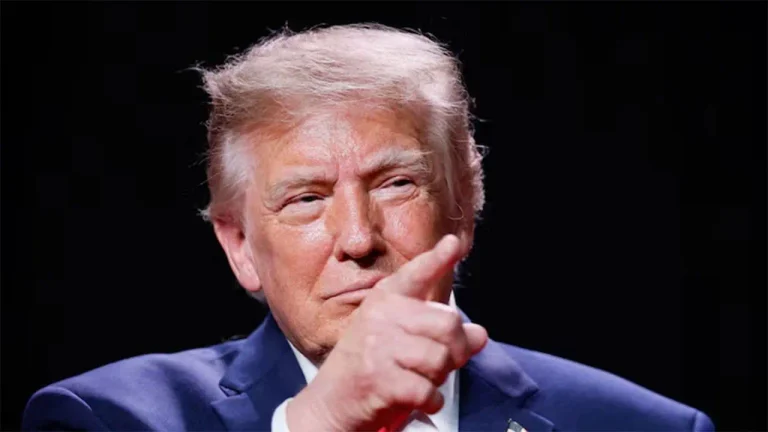
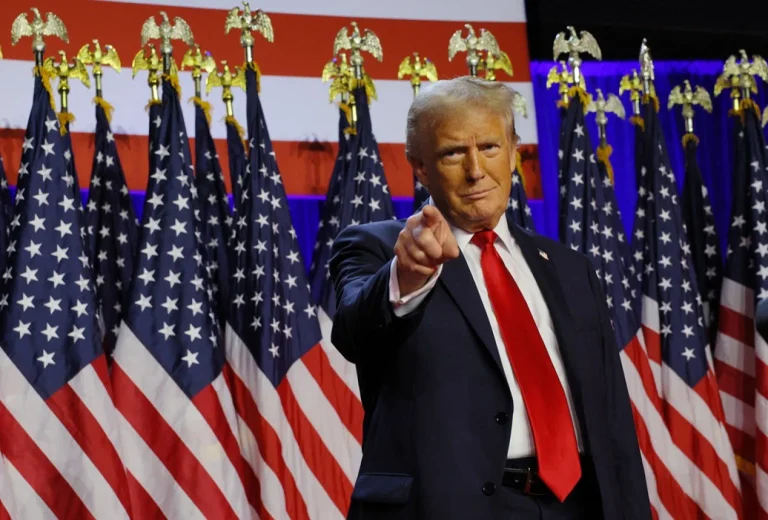
WASHINGTON, October 11, 2026 — US President Donald Trump has called for Ukraine to replace President Volodymyr Zelenskiy, intensifying tensions between Washington and Kyiv after announcing a diesel supply agreement with Russia that has drawn criticism from Ukrainian leaders and US lawmakers.
Trump’s remarks came amid mounting pressure over global fuel prices, the continuing war in Ukraine and diplomatic efforts to negotiate an end to the conflict. The rise in diesel prices following the outbreak of the Iran war in February has also become a political concern for Trump’s Republican Party ahead of next month’s US midterm elections.
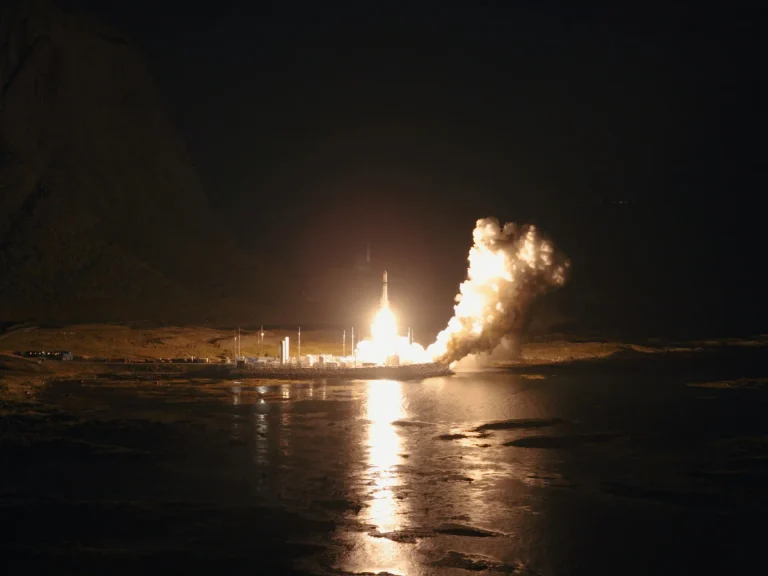
Speaking to reporters at the White House on Saturday, Trump accused Zelenskiy of undermining global diesel supplies by targeting Russian oil refineries. He argued that Ukraine’s attacks on Russian energy infrastructure were contributing to fuel supply pressures and said Kyiv needed leadership capable of reaching a peace agreement.
“I suggest they get a new leader who can make a deal,” Trump said, criticising Zelenskiy over the failure to secure a settlement with Moscow.
Zelenskiy, meanwhile, accused Washington’s decision to ease restrictions on Russian diesel exports of encouraging further Russian military action. He linked the announcement of the agreement to a Russian attack on the southern Ukrainian city of Zaporizhzhia that killed 20 people, including three children, according to the figures cited in the report.
The attack was among several deadly strikes reported in Ukraine during the week. Ukrainian authorities said Russian bombardments had also caused heavy civilian casualties in Kramatorsk and Pryluky, intensifying concerns over the humanitarian consequences of the conflict.
Russia announced on Saturday that it had partially lifted its ban on diesel exports. However, analysts cautioned that the agreement was unlikely to produce a sustained decline in international fuel prices, as the volumes involved remained below Russia’s normal export levels while its refineries continued to face attacks.
The dispute highlights the difficult balance between securing energy supplies and maintaining economic pressure on Russia. Although additional fuel exports could provide some relief to global markets, the commercial impact will depend on the quantities available, transport arrangements and the broader security situation.
The deal has also drawn criticism in Washington. Republican Representative Don Bacon argued that the United States should implement additional sanctions recently passed by Congress rather than ease restrictions on Russian exports.
Meanwhile, Ukraine has continued diplomatic engagement with European partners and US negotiators. Ukrainian and European officials met American representatives in Miami on Friday to discuss a possible common proposal for ending the war. Zelenskiy said the diesel announcement had caught Kyiv by surprise, while Russian President Vladimir Putin indicated that an immediate resumption of peace talks was unlikely.
British Prime Minister Andy Burnham also spoke with Zelenskiy on Saturday and said the United Kingdom would strengthen sanctions against Russia, according to a Downing Street spokesperson. The two leaders are expected to meet in person in the coming days.
Russian state news agency TASS reported that US negotiators Steve Witkoff and Jared Kushner could visit Moscow within the next two weeks, although the diplomatic timetable remains uncertain.
For international markets, the latest developments leave energy prices exposed to competing forces: efforts to increase fuel supplies, continued attacks on energy infrastructure and uncertainty over the prospects for a negotiated settlement. With the conflict continuing to affect oil and diesel markets, governments and businesses will be watching closely for signs of whether diplomatic engagement can reduce geopolitical risks without creating further disruption to global energy trade.