Trump Faces Backlash Over Planned Russian Diesel Imports Amid Global Energy Crisis
WASHINGTON, October 12, 2026 — US President Donald Trump is facing mounting political and international criticism over plans to import large volumes of diesel from Russia, raising questions about Washington’s energy policy, sanctions enforcement and its continued support for Ukraine as the war involving Iran disrupts global fuel markets.
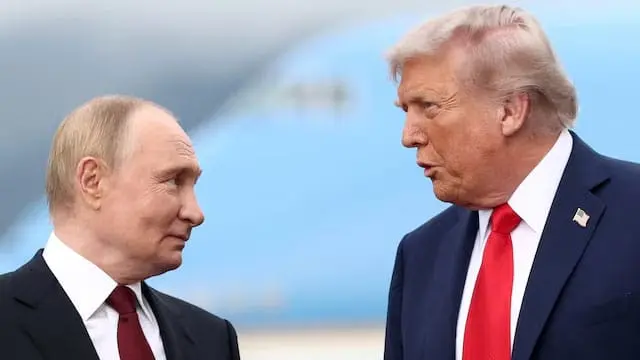
Trump announced on Friday that Russian President Vladimir Putin had agreed to release an initial 300,000 tonnes of diesel for the American and global markets, followed by additional shipments in the coming months. The proposed arrangement has drawn criticism from lawmakers in both major US political parties, who argue that easing restrictions on Russian energy exports could undermine sanctions intended to pressure Moscow over its invasion of Ukraine.
The announcement comes just weeks after Trump signed legislation authorising fresh sanctions and tariffs targeting countries that import Russian oil and gas, creating concerns over the consistency of the administration’s approach to Moscow.
Under the proposed supply arrangement, Russia would initially release 300,000 tonnes of diesel, followed by 500,000 tonnes in November and another one million tonnes thereafter. A further three million tonnes could be delivered within a relatively short period, subject to the operational condition of Russian refineries damaged by Ukrainian attacks.
Russian Deputy Prime Minister Alexander Novak confirmed the proposed volumes to state-owned news agency TASS, indicating that exports could eventually reach three million tonnes per month.
Trump defended the initiative as a measure to reduce fuel costs for American consumers and businesses, particularly industries heavily dependent on diesel.
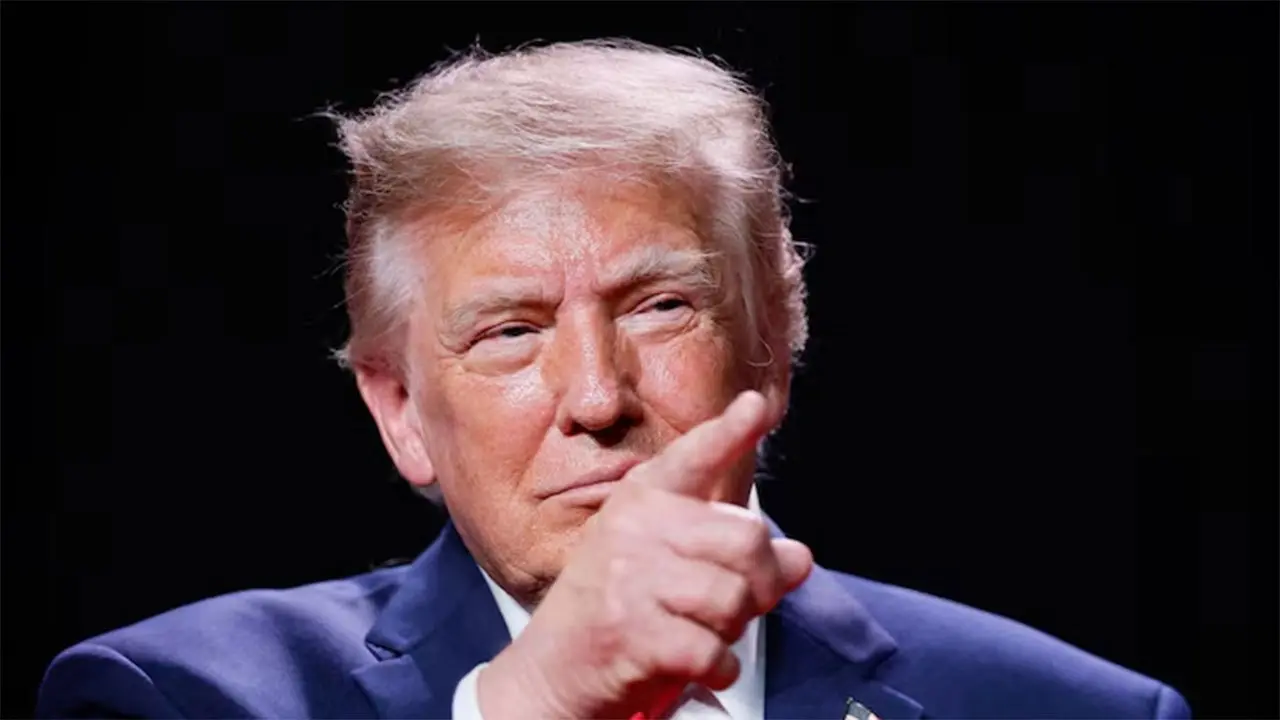
“Lower prices for Americans, especially our Great Farmers, Ranchers, and Truckers, is my Greatest Priority,” Trump wrote in a post on Truth Social.
Sanctions and political divisions intensify
The proposed arrangement has triggered opposition in Congress, where seven senators — four Republicans and three Democrats — called on Trump to reverse course, arguing that the deal conflicts with existing restrictions on Russian energy imports.
In a joint statement, the lawmakers warned that the United States should not provide Putin with additional revenue while Russian forces continue to attack Ukrainian civilians. They also pointed to restrictions introduced in 2022 to prevent American payments for Russian energy from helping finance the war against Ukraine.
The statement was signed by Republican senators Susan Collins, Lisa Murkowski, Thom Tillis and John Curtis, alongside Democratic senators Jeanne Shaheen, Richard Blumenthal and Ron Wyden.
However, the proposal has also attracted support from some Republicans. Representative Thomas Massie has advocated lifting sanctions on petroleum products more broadly, reflecting divisions within the party over the balance between economic relief and foreign policy objectives.
Treasury Secretary Scott Bessent defended the administration’s approach in an interview with Fox News, arguing that the arrangement could be implemented through existing legal mechanisms to help lower energy prices. He rejected criticism that the deal could not be legally accommodated.
Under the reported arrangement, the US Treasury is suspending sanctions on Russian diesel exports until April 7, while other restrictions, including the freezing of Russian assets held in American banks, remain in place.
Fuel prices put pressure on American businesses
The dispute comes as the conflict involving the United States, Israel and Iran has disrupted crude oil supplies and pushed global energy prices higher. The resulting increase in fuel costs has placed pressure on transport operators, agricultural producers and other diesel-intensive industries.
According to the American Automobile Association (AAA), the average US diesel price has reached US$6.28 per gallon, down from a record US$6.53 at the end of September.
Higher diesel prices have particularly affected agricultural states, where farmers rely on the fuel to operate machinery, harvest crops and transport produce to domestic and international markets. Rising operating costs can feed into food prices, freight charges and broader inflation, adding pressure on businesses and household budgets.
The energy situation has also become a political challenge for the Trump administration ahead of the November midterm elections, which will determine whether Republicans retain control of Congress. Polling indicating public dissatisfaction with the administration’s handling of the economy and the Iran conflict has increased the pressure on the president to demonstrate progress in bringing fuel costs down.
Nevertheless, analysts have questioned whether Russia can deliver the proposed volumes within the announced timetable and whether the additional supplies would materially reduce prices in the United States.
The United States consumes approximately 3.6 million barrels of diesel a day. Although the initial 300,000-tonne shipment could provide additional supply, its actual effect on domestic prices will depend on delivery schedules, refinery capacity, distribution costs and prevailing market conditions.
International criticism adds to diplomatic pressure
Opposition to the proposal has extended beyond Washington. Ukrainian President Volodymyr Zelensky criticised the arrangement, describing it as a gift to Putin and arguing that it would amount to an investment in a war that should be brought to an end.
Canadian Prime Minister Mark Carney and UK Defence Secretary Wes Streeting have also voiced criticism, with Streeting arguing that the United States and other allies of Ukraine should intensify pressure on Russia to end the conflict rather than ease restrictions on its energy exports.
The controversy highlights the competing priorities facing Western governments as they attempt to contain energy costs while maintaining economic pressure on Moscow.
Trump subsequently announced on Sunday that Russia and Ukraine had reached an “energy ceasefire”, although he provided few details about its scope or implementation. Zelensky welcomed the announcement, but Moscow had not issued a response at the time of reporting.
For global energy markets, the proposed diesel arrangement underscores the growing influence of geopolitical developments on fuel supply, trade policy and prices. Whether the deal delivers meaningful relief to American businesses and consumers remains uncertain, while its implications for sanctions policy and Western support for Ukraine could deepen divisions among the United States and its allies.