Colombo Port Handles US$30 Billion in U.S.-Related Cargo Annually
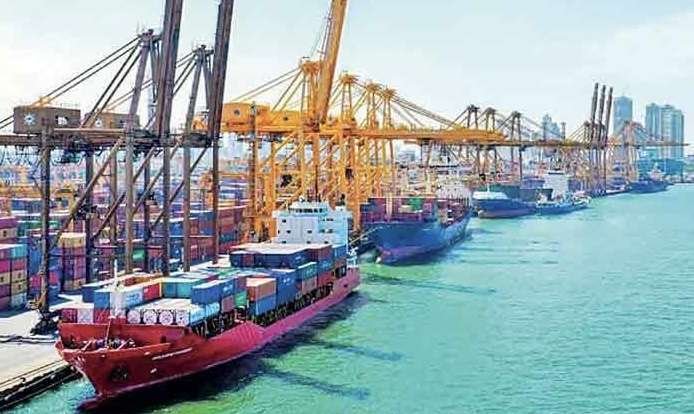
COLOMBO, October 17, 2026 — The Port of Colombo handles an estimated US$30 billion worth of U.S.-related cargo annually, highlighting its strategic importance to international trade, as the United States announces a US$17 million investment to digitise port operations in Sri Lanka.
According to a press release issued by the U.S. Embassy in Sri Lanka, the investment will support the introduction of advanced digital systems in partnership with the Sri Lanka Ports Authority (SLPA), with the aim of improving operational efficiency, accelerating cargo clearance and reducing shipping delays and costs.
The initiative is expected to strengthen Colombo’s position as a major transhipment hub connecting South Asia with global markets, while supporting U.S. supply chains and expanding commercial opportunities between the two countries.
The U.S.-funded project will help the SLPA establish two integrated digital platforms: a Maritime Single Window and a Port Community System. The systems are designed to reduce paperwork, improve coordination among stakeholders and speed up cargo processing.
Shipping companies, customs officials, immigration authorities, port operators and businesses will be able to exchange information electronically through the platforms, replacing fragmented procedures that can slow down port operations.
U.S. Ambassador to Sri Lanka Eric Meyer said more than half a million containers of U.S. inbound and outbound cargo pass through the Port of Colombo each year, representing billions of dollars in trade.
“American trade depends on ports that are efficient, reliable, and ready to meet the demands of modern commerce,” Meyer said.
He noted that faster cargo movement and lower shipping costs would improve the competitiveness of American companies while benefiting consumers. The investment would also support supply chains and create commercial opportunities for U.S. technology companies, he added.
The project comes as port efficiency and digital infrastructure become increasingly important to international trade. Delays at ports can raise costs for businesses and consumers, affecting the movement of goods ranging from Sri Lankan apparel destined for U.S. retailers to American machinery, food and other products distributed through global supply chains.
As Sri Lanka expands its port capacity, digital systems are expected to play a growing role in managing higher cargo volumes, reducing vessel turnaround times and maintaining Colombo’s competitiveness as a regional maritime and logistics centre.
Minister of Ports and Civil Aviation Anura Karunathilaka said the port’s future depended not only on expanding physical infrastructure but also on modernising operational processes.
The project would help improve trade facilitation, attract business and strengthen Sri Lanka’s links with international markets, he said, welcoming U.S. support for the country’s long-term economic competitiveness.
Sri Lanka Ports Authority Chairman Dr Parakrama Dissanayake said the digital platforms would connect the agencies and businesses involved in port operations, reduce unnecessary delays and provide more predictable services to shipping lines and customers.
He described the initiative as part of efforts to prepare Sri Lanka’s ports for future growth and sustain Colombo’s role as a leading maritime hub in the region.
The US$17 million investment marks a further step in U.S.–Sri Lanka cooperation in trade facilitation and port modernisation, with the potential to improve logistics efficiency and support the movement of billions of dollars in cargo through Colombo each year.