Rs.160 Million Diesel Discrepancy at Lakvijaya Power Plant Triggers Internal Probe
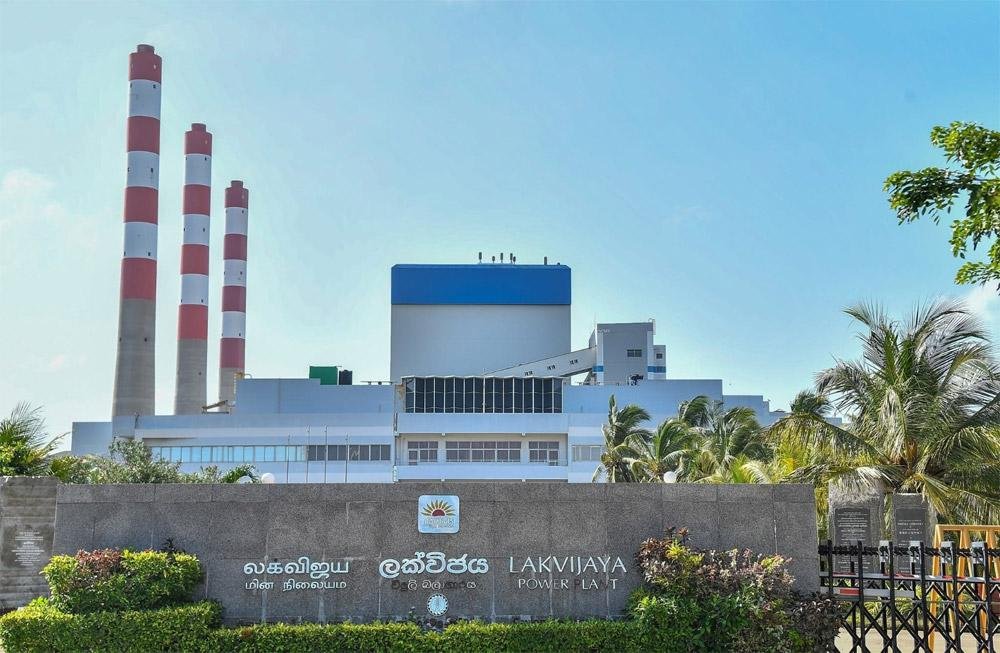
COLOMBO, September 30, 2026 — An internal investigation has been launched into a diesel discrepancy exceeding Rs.160 million at the Lakvijaya Power Plant in Norochcholai, raising concerns over fuel inventory controls, financial accountability and the management of public resources used for electricity generation.
The discrepancy was uncovered during an internal audit examining diesel supplied to the power plant from the Kolonnawa and Sapugaskanda fuel terminals, according to senior officials familiar with the investigation.
Auditors have identified five transactions—two in December 2025 and three in January 2026— in which quantities recorded as delivered to the plant could not be fully reconciled with its physical diesel stocks.
The investigation is now seeking to determine whether the discrepancies represent isolated incidents or point to a wider and potentially longer-running weakness in the plant’s fuel management system.
Audit Flags Fuel Delivery Discrepancy
One of the transactions under investigation reportedly relates to January 16, when records indicated that 10 diesel bowsers had arrived at the plant.
However, investigators subsequently found indications that the corresponding physical fuel stock represented only nine bowsers, creating a discrepancy between the recorded delivery and the fuel available at the facility.
A storekeeper responsible for the relevant fuel operations has reportedly been temporarily removed from those duties while the investigation continues.
Investigators are also reviewing historical records following indications that similar discrepancies may have occurred over an extended period.
If further irregularities are established, the financial exposure could therefore be significantly higher than the Rs.160 million identified so far.
Financial Controls Under Scrutiny
The investigation is examining the entire fuel supply and receiving chain, including fuel-terminal dispatch records, tanker movements, plant-entry records, receiving documentation and physical inventory levels.
The audit trail is expected to help establish the precise quantity of diesel dispatched, delivered and recorded at the plant.
Investigators are also examining who authorised the relevant consignments, who received them and who certified the deliveries, as well as whether established internal control procedures were properly followed.
Documents connected to the investigation were reportedly transferred from Norochcholai to the company’s Colombo head office on September 26 for further examination, with electricity-sector security personnel assisting in the transfer.
The internal audit has reportedly identified another inventory-management issue involving expired chemical stocks worth several hundred thousand rupees at the plant’s stores. Investigators are examining whether this forms part of broader weaknesses in inventory management.
Police Investigation Also Reported
The matter was reportedly referred to the Puttalam Police Special Crimes Investigation Unit on September 26 as authorities examine the circumstances surrounding the discrepancies.
Lakvijaya Power Plant Manager Nalaka Kumara confirmed that an investigation was under way but declined to provide further details when contacted by The Island Financial Review.
The investigation remains ongoing, and the final financial exposure and responsibility for the discrepancies have yet to be established.
Public-Funds Implications
The issue carries significant financial implications because diesel purchased for power generation represents public-sector expenditure.
If the investigation establishes that fuel was paid for but was not actually delivered to or accounted for at the plant, the state could have incurred substantial expenditure without receiving the corresponding fuel.
The case also highlights the importance of robust inventory controls at major electricity-generation facilities, particularly when fuel procurement involves large volumes and multiple points of dispatch, transportation and receipt.
Beyond the immediate financial discrepancy, the investigation could therefore have wider implications for procurement controls, fuel management, internal auditing and governance within Sri Lanka’s power sector.
The outcome of the probe is expected to determine whether the identified discrepancies were the result of administrative failures, control weaknesses or potential financial misconduct, and whether additional losses may have occurred beyond the transactions already identified.