CBSL Urges Sri Lanka to Strengthen Foreign Reserves Before the Next Economic Shock
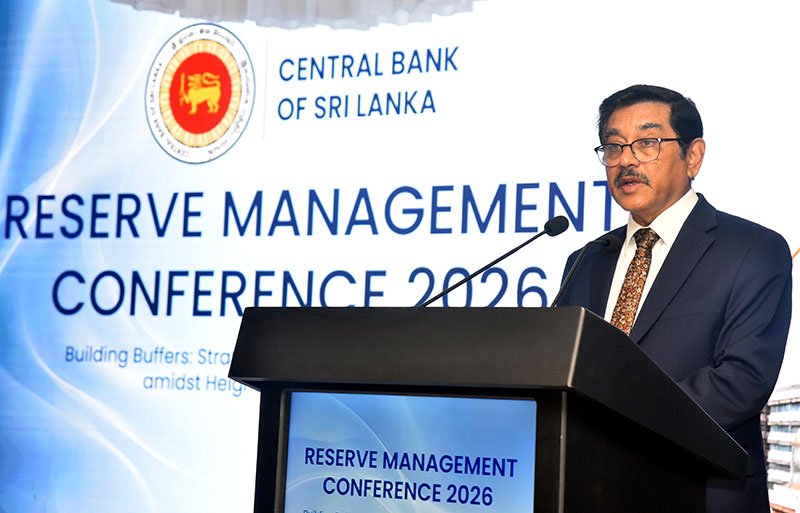
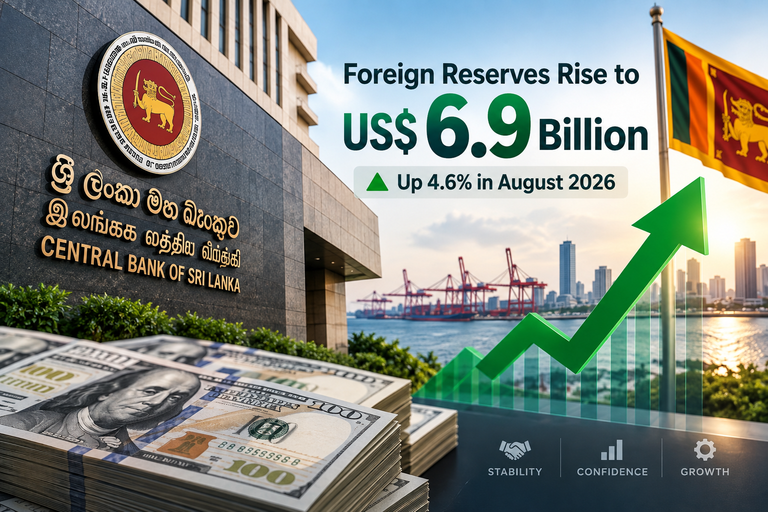
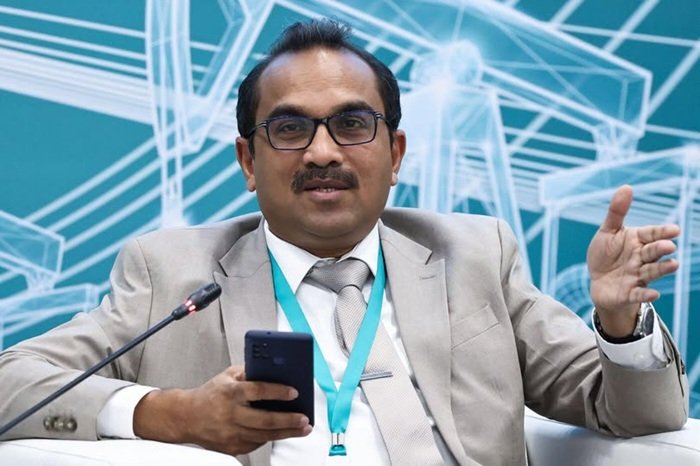
Sri Lanka must use periods of economic stability to strengthen its foreign exchange reserves and build a stronger financial buffer against future external shocks, Central Bank Governor Dr. Nandalal Weerasinghe said.
Speaking at the inaugural Reserve Management Conference 2026 in Colombo, Weerasinghe warned that attempting to rebuild reserves after an external crisis has already emerged could leave policymakers with limited options to protect the economy.
He pointed to Sri Lanka’s 2022 economic crisis as a clear example of the risks associated with inadequate foreign exchange buffers. Critically low reserves can restrict essential imports, increase pressure on the exchange rate, complicate debt servicing and weaken investor and market confidence.
“Adequate reserves are not a luxury. They are an essential component of macroeconomic stability,” the Governor said.
Sri Lanka has made significant progress in stabilising its economy and strengthening the external sector since the severe economic difficulties of 2022 and 2023. However, Weerasinghe stressed that reserve accumulation must remain a key priority as the country seeks to build long-term economic resilience.
From a business perspective, stronger reserves can provide greater confidence to investors and businesses by improving the country’s ability to manage external financing pressures, import requirements and currency volatility during periods of global uncertainty.
The Governor noted that reserves are generally easier to build when exports are performing well, foreign exchange liquidity is strong, capital inflows are increasing and investor confidence is improving. However, these favourable conditions can also create a tendency to underestimate the need for financial buffers.
“We should build buffers during good times because we know that good times will not last forever,” he said.
Weerasinghe also cautioned that reserve accumulation should be supported by sound fiscal and monetary policies. Excessive market intervention, monetary expansion or reliance on external borrowing could create additional economic risks rather than provide a sustainable solution.
For Sri Lanka, he said, the long-term objective should be to develop an economy capable of generating and retaining foreign exchange through stronger exports, tourism, investment and other sustainable sources of foreign currency earnings.
“The most sustainable reserve accumulation strategy is therefore not simply to acquire reserves. It is to build an economy that naturally generates and retains foreign exchange,” Weerasinghe said.
The warning comes as global economic conditions remain uncertain, with geopolitical tensions, changing trade conditions, commodity-price volatility, interest-rate shifts and fluctuations in international capital flows creating risks for emerging markets.
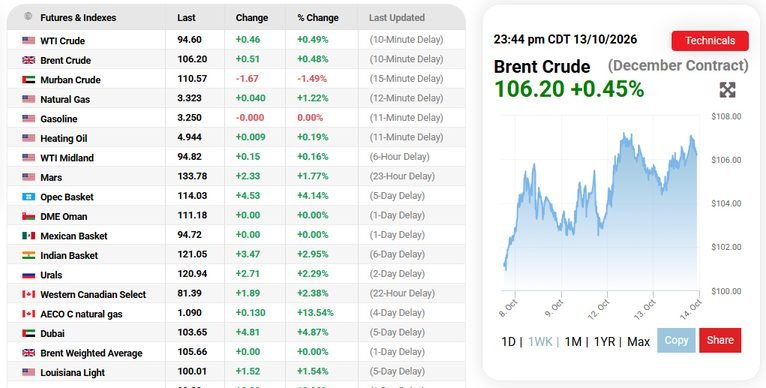
Sri Lanka remains particularly exposed to global energy-price movements because of its dependence on imported fuel. A sharp increase in oil prices could raise the country’s import bill and place renewed pressure on foreign exchange liquidity, while geopolitical disruptions could also affect tourism and other key sources of foreign currency.
Weerasinghe stressed that building adequate reserves is ultimately dependent on maintaining sound economic fundamentals, strengthening policy credibility and ensuring continued fiscal and monetary discipline.
“We do not build reserves because we expect a crisis. We build reserves because we cannot know when the next crisis will come,” he said.