Fuel Subsidy, Vehicle Import Surcharge Shield Economy from Stronger Inflation Pressure – CBSL Governor

COLOMBO, October 1, 2026 — Sri Lanka’s fuel subsidy and higher taxes on vehicle imports have helped contain inflationary pressure while limiting foreign exchange outflows, Central Bank Governor Dr. Nandalal Weerasinghe said.
The measures have become key policy tools as the economy faces renewed inflationary pressure following a sharp increase in fuel prices earlier this year.
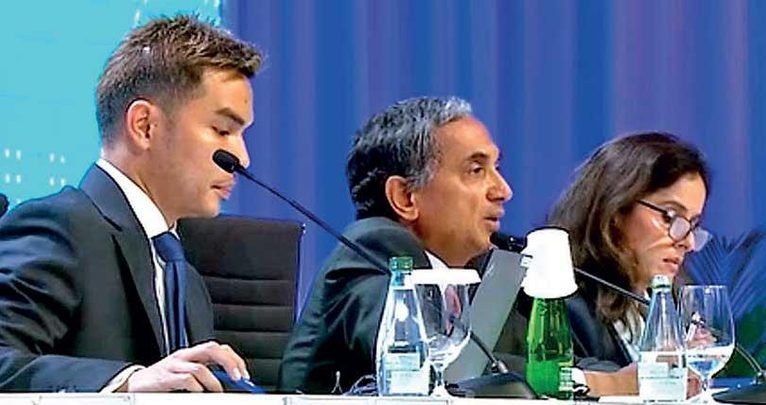
Speaking at the Central Bank of Sri Lanka’s monthly monetary policy review in Colombo, Governor Weerasinghe said inflation would have risen further without the Government’s intervention through fuel subsidies and the temporary surcharge imposed on vehicle imports.
The Government has approved a further Rs. 40 billion fuel subsidy for the next three months, following Rs. 57 billion provided between April and June. The latest allocation is targeted entirely at diesel, reflecting its importance to public transportation and the wider economy.
The Governor said the subsidy has helped moderate the impact of higher fuel prices on businesses, consumers and transport costs, while also reducing the broader inflationary impact that could have emerged from a full pass-through of fuel prices.
Sri Lanka’s headline inflation reached 8% in August, its highest level in 37 months and above the Central Bank’s upper tolerance limit of 7%. Inflation accelerated after domestic fuel prices were increased by more than 50% following heightened tensions in the Middle East at the end of February.
At the same time, the Government’s temporary 50% surcharge on Customs Import Duty for new personal vehicles has been extended until December 31. According to the Governor, the measure is helping moderate vehicle imports and reduce pressure on foreign currency demand.
The policy is particularly significant for Sri Lanka’s external position, as lower vehicle imports can help contain dollar outflows at a time when the country continues to focus on rebuilding foreign exchange reserves.
The Central Bank has also tightened monetary policy to address demand-side inflation. In May, it raised its key monetary policy rate by 100 basis points, aimed at slowing excess demand and moderating credit expansion.
That tightening is now feeding through to private-sector borrowing. L.R.C. Pathberiya, Head of the CBSL’s Economic Research Department, said credit growth through commercial banks slowed to 24.5% year-on-year in August, compared with around 30% several months earlier.
Despite the slowdown, Pathberiya said the current pace of private-sector credit growth remains sufficient to support economic activity.
The latest developments highlight the policy balancing act facing Sri Lanka: containing inflation and protecting foreign exchange reserves while ensuring that tighter financial conditions do not undermine the country’s economic recovery.
Sri Lanka’s economy expanded by 4.2% year-on-year in the second quarter, its slowest growth in 11 quarters, underscoring the challenge of maintaining growth while managing renewed price and external-sector pressures.