Oil Tops $100 as Middle East Tensions Raise Fresh Risks for Sri Lanka’s Economy
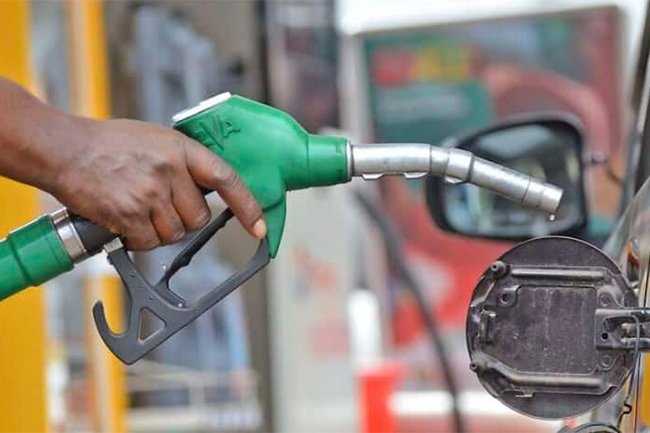
Oil prices eased slightly on Friday but remained on course for a weekly gain of nearly 10%, after crude prices moved above $100 a barrel for the first time in months amid continuing tensions in the Middle East.
The sharp rise in global oil prices is increasing concerns over higher energy and transportation costs, particularly for countries that depend heavily on imported fuel.
For Sri Lanka, sustained increases in international crude prices could place additional pressure on fuel costs, import expenditure, inflation and businesses, while also affecting household spending and transport-related industries.
The development comes as the Sri Lankan economy continues its recovery while facing external risks. The International Monetary Fund has previously warned that the Middle East conflict has already weighed on Sri Lanka through higher energy prices, rising inflation and slower accumulation of foreign reserves.
Global markets are also closely watching the impact of the oil shock on inflation and economic growth. The IMF said this week that the global economy remains resilient and is still expected to grow by around 3% in 2026, but warned that elevated energy prices and rising debt risks remain significant challenges.
For Sri Lanka, the direction of global oil prices will remain an important economic indicator in the coming weeks, particularly given the country’s reliance on imported energy and its ongoing efforts to strengthen foreign-exchange reserves.