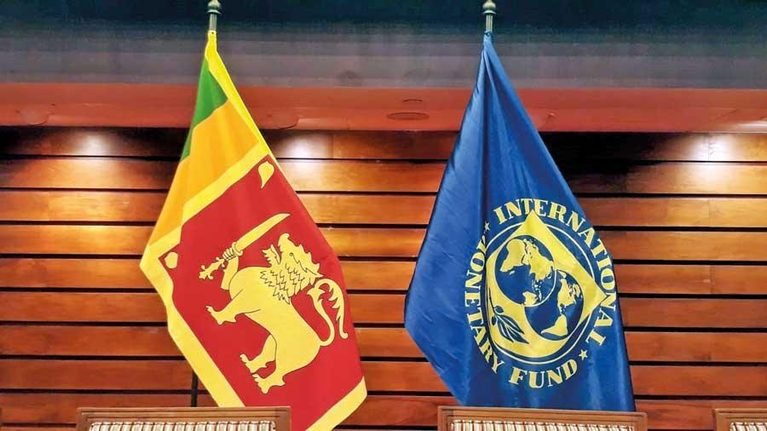
IMF Urges Sri Lanka to Accelerate Reforms Amid Rising External Risks

COLOMBO, September 23, 2026 — The International Monetary Fund (IMF) has urged Sri Lanka to maintain prudent economic policies and accelerate structural reforms as the recovering economy faces renewed external risks from the Middle East conflict, global trade policy uncertainty and the potential impact of El Niño.
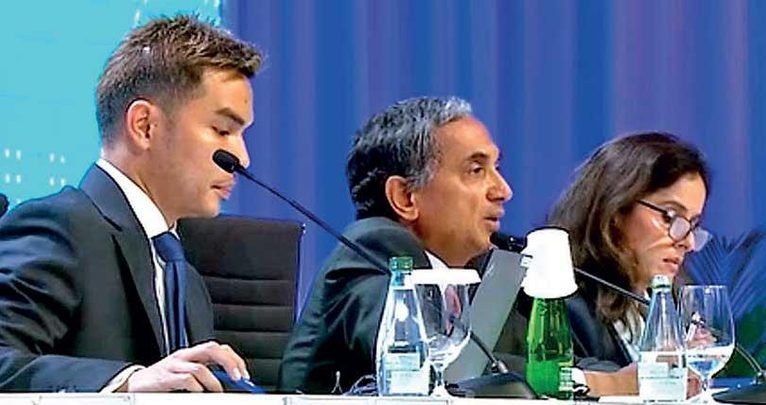
An IMF mission led by Evan Papageorgiou visited Sri Lanka from September 10 to 23 to assess recent macroeconomic developments, progress under the Extended Fund Facility (EFF) programme and policy priorities under the 2026 Article IV Consultation.
At the conclusion of the mission, Papageorgiou said Sri Lanka’s economy had demonstrated resilience despite successive shocks, with economic activity expanding 4.2% year-on-year in the second quarter of 2026, marking 11 consecutive quarters of strong growth.
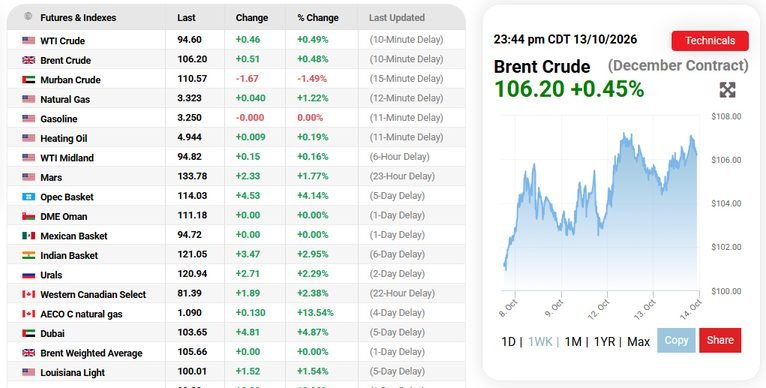
However, the IMF cautioned that emerging external pressures could test the recovery. Headline inflation rose to 8% in August, driven largely by the global oil price shock, although inflation expectations remained broadly anchored.
Sri Lanka’s external position has also strengthened, with gross official reserves reaching US$6.9 billion at the end of August. The IMF noted that the banking sector remained well capitalized and profitable, while fiscal performance during the first half of the year was strong and the country’s debt restructuring was largely completed.
IMF Pushes for Stronger Revenue Mobilization
A key focus of the IMF’s recommendations was strengthening Sri Lanka’s fiscal position through a comprehensive medium-term revenue strategy.
The Fund called for measures to broaden the tax base, rationalize tax exemptions and incentives, and strengthen revenue administration to improve compliance and generate sustainable increases in government revenue.
The IMF also emphasized the need to maintain cost-recovery energy pricing to limit fiscal risks associated with state-owned enterprises.
Authorities were further urged to address bottlenecks holding back capital expenditure, including efforts to accelerate recovery and reconstruction following Cyclone Ditwah.
5% Inflation Target Should Be Maintained
The IMF said monetary policy should remain responsive to inflationary pressures while maintaining price stability under Sri Lanka’s flexible inflation-targeting framework.
The Fund also stressed the importance of greater exchange-rate flexibility to help the economy absorb external shocks and support further accumulation of foreign reserves.
At the first statutory review, the IMF said retaining the existing 5% inflation target and accountability band would be prudent.
The Fund noted that the current target provides flexibility during periods of volatility in food and energy prices. A move toward a lower inflation target could be considered at a future review once Sri Lanka establishes a sustained track record of low and stable inflation.
IMF Raises Concerns Over Anti-Corruption Amendments
The IMF also highlighted the importance of protecting the integrity of Sri Lanka’s anti-corruption framework, warning that certain provisions in recently proposed amendments could weaken transparency and accountability.
The Fund stressed that maintaining a strong governance and anti-corruption framework would be important for strengthening public confidence and supporting sustainable economic development.
It also called for continued structural reforms to improve the business environment and attract investment, including trade liberalization, modernization of business and labour regulations, wider access to finance and increased digitalization.
Northern Province Seen as Growth Opportunity
During the mission, the IMF team travelled to Jaffna to examine the economic potential of Sri Lanka’s Northern Province.
Discussions with private-sector representatives and civil society organizations highlighted opportunities to generate employment and strengthen regional growth through investment in connectivity, skills development, agriculture, fisheries, tourism and renewable energy.
The IMF also stressed the importance of strengthening social protection to ensure that the benefits of Sri Lanka’s economic recovery and transformation are more widely shared.
The mission held discussions with President Anura Kumara Dissanayake, Prime Minister Dr. Harini Amarasuriya, senior government and Central Bank officials, parliamentarians, private-sector representatives, civil society organizations and development partners.
The IMF said discussions would continue with the aim of reaching a staff-level agreement in the near term, which would pave the way for the timely completion of the Seventh Review under the EFF programme.
The Fund reaffirmed its commitment to supporting Sri Lanka as the country navigates external risks while continuing its economic recovery and reform programme.