Sri Lanka Plans Simpler Tax System, Customs Levies to Be Phased Out From 2027
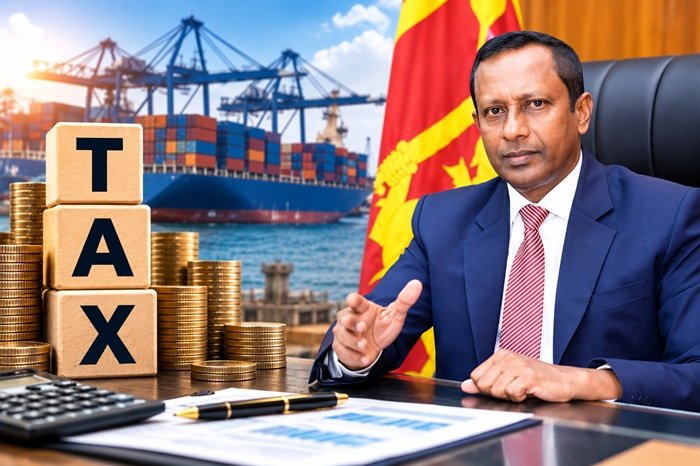
COLOMBO, October 2, 2026 — The government plans to introduce a simplified tax framework from 2027, including the gradual removal of additional levies imposed alongside Customs Duty, as part of wider efforts to streamline taxation and improve the ease of doing business.
Deputy Minister of Economic Development Nishantha Jayaweera said the proposed reforms are aimed at making Sri Lanka’s tax system simpler, more transparent and convenient for businesses and taxpayers.
Speaking at the official launch of the digital signature and paperless Customs declaration system, Jayaweera said the government intends to reduce the complexity of the existing Customs-related tax structure by removing additional levies charged alongside Customs Duty.
He said similar simplified procedures are expected to be introduced across other government institutions as part of a broader programme to improve public-sector efficiency.
The Deputy Minister also highlighted the government’s plans to accelerate the adoption of information technology across state institutions, describing the new paperless Customs declaration system as an important step in Sri Lanka’s digital transformation.
According to Jayaweera, the government’s longer-term objective is to fully digitalise state institutions within a defined timeframe, reducing reliance on physical documentation while improving the speed and efficiency of public services.
He also referred to the National Single Window model used in several countries, which allows businesses, traders and citizens to access multiple government services through a single digital platform.
Sri Lanka is working towards establishing a similar system, which is expected to simplify interactions between the trading community and government agencies and reduce administrative procedures involved in import and export activities.
Meanwhile, Jayaweera said Sri Lanka Customs is already nearing its annual revenue target of Rs. 2,207 billion for 2026.
He described the progress in revenue collection as a positive development, while stressing that improved efficiency, systematic procedures and greater digitalisation would further strengthen Customs operations.
The planned tax reforms and digitalisation measures come as Sri Lanka continues efforts to modernise its revenue administration and create a more streamlined operating environment for businesses and international trade.