
China’s Deflationary Pressures Deepen as Domestic Demand Remains Weak
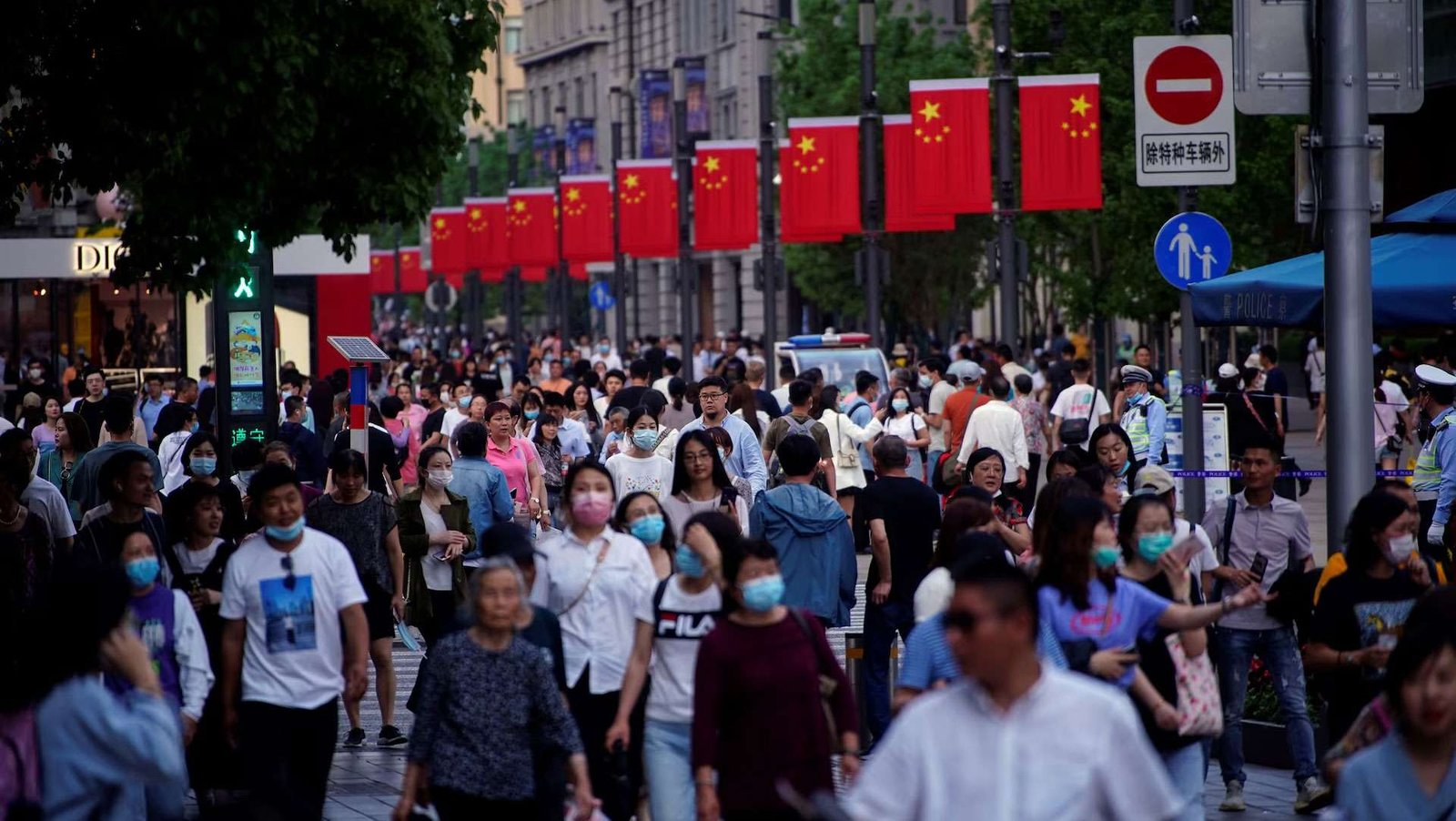
BEIJING, October 6, 2026 — China’s economic recovery is facing mounting pressure as weak domestic demand, persistent industrial overcapacity and a prolonged property downturn continue to weigh on prices, businesses and household spending, raising concerns over the sustainability of the country’s traditional growth model.
Consumer price growth has continued to lose momentum, highlighting the weakness in domestic demand. While global energy costs have come under upward pressure, subdued consumption inside China has limited the ability of businesses to pass higher costs on to consumers. At the same time, producer prices have remained under pressure as manufacturers contend with excess capacity and intense competition.
The weakness reflects deeper structural challenges rather than a temporary slowdown. China’s property sector, once a major driver of household wealth, construction activity and local government revenues, remains under significant strain following a wave of developer defaults and financial difficulties.
Falling property values have affected household balance sheets and contributed to greater caution among consumers. Many households have increased savings and postponed discretionary purchases, particularly amid concerns over employment prospects, income growth and future economic conditions.
Employment pressures have added to the uncertainty. Persistent challenges in the labour market, particularly among younger workers, alongside slower wage growth, have encouraged consumers to delay purchases in the expectation that prices may fall further.
For businesses, weaker demand has intensified competition and triggered price-cutting campaigns across several industries. While lower prices can benefit consumers in the short term, prolonged price competition can reduce corporate margins, weaken business confidence and discourage new private-sector investment.
China’s policy environment has also influenced investor and business sentiment in recent years. Regulatory measures affecting sectors such as technology and education, together with differences in access to financing between state-owned and private enterprises, have contributed to uncertainty among some private businesses and international investors.
Structural demographic changes are creating an additional long-term challenge. China’s aging population and declining workforce are expected to constrain labour supply and potentially weaken the growth of household consumption, while rising debt among local governments limits their ability to rely on traditional infrastructure-led spending.
Despite these pressures, China retains significant strengths, including its large domestic market, extensive manufacturing base, infrastructure capacity and position within global supply chains.
Economists and policymakers increasingly point to stronger household demand, measures to stabilize the property market and greater confidence among private businesses as important elements of a more balanced recovery.
The challenge for Beijing is therefore not simply to restore economic growth, but to strengthen the role of household consumption and private investment in the economy while addressing the structural imbalances that have contributed to persistent price weakness.