Trump Threatens Iran With Destruction as Diplomats Push for Deal at UN
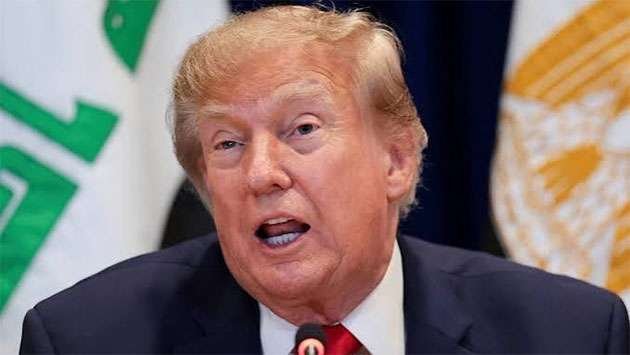
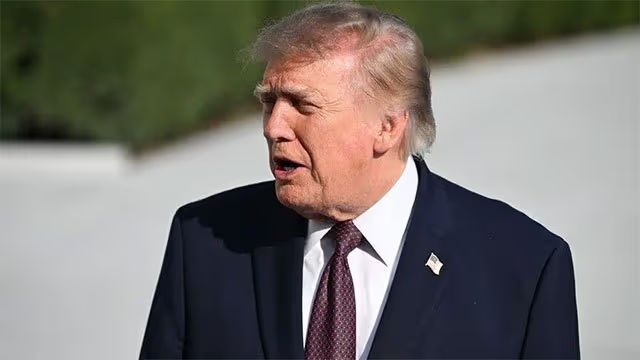
NEW YORK, September 23, 2026 — US President Donald Trump has warned that Iran could face devastating military action if Tehran fails to reach a deal to end the nearly seven-month conflict, while suggesting that a diplomatic agreement could still be within reach.
Speaking at the United Nations General Assembly in New York, Trump said he faced a major decision over whether to pursue a negotiated settlement or take military action against Iran.
Iran’s Armed Forces dismissed Trump’s remarks as “propaganda,” warning that Tehran remained prepared to respond with what it described as more severe and unpredictable attacks against its adversaries.
Despite the escalating rhetoric, diplomatic efforts continued on the sidelines of the UN General Assembly as mediators sought to broker an agreement between Washington and Tehran.
US envoy Steve Witkoff said the United States and Iran held lengthy discussions through intermediaries on Tuesday. He said mediators moved between the two sides throughout the day and would continue their efforts, describing the talks as potentially constructive.
Strait of Hormuz at Centre of Talks
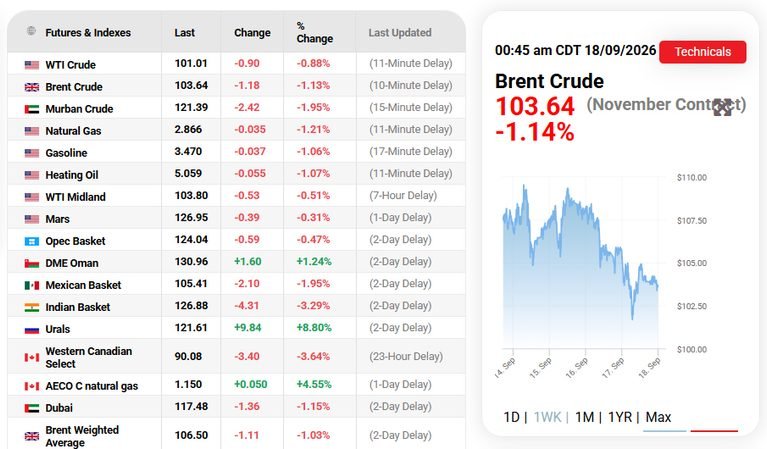
The conflict has had major consequences beyond Iran and Israel, with the disruption of regional shipping contributing to higher oil prices and raising concerns over global energy supplies.
The Strait of Hormuz, through which a significant share of global oil and gas shipments traditionally passes, has emerged as a key issue in the diplomatic negotiations.
Trump said during meetings with Middle Eastern leaders that the conflict could potentially end after the November 3 US midterm elections, or possibly even earlier.
Gulf states are seeking the restoration of secure shipping routes while also attempting to prevent Iran from gaining greater regional influence. Several of the countries involved also host major US military facilities that have come under attack during the conflict.
A senior Iranian official said Tehran could reopen the Strait of Hormuz to Gulf shipping within days if Washington eased military pressure and lifted its blockade on Iranian ports.
According to the official, Iran had already transmitted its latest proposal to the United States through mediators and could reopen the strategic waterway within seven days if its demands were met.
Iran Maintains Hardline Position
Iranian Foreign Minister Abbas Araqchi also held discussions with Qatar’s Prime Minister Sheikh Mohammed bin Abdulrahman Al Thani, whose government has played a prominent role in efforts to de-escalate the conflict.
However, Tehran has continued to signal that it will not accept an agreement imposed through military pressure.
Iranian Parliament Speaker Mohammad Baqer Qalibaf, who previously led Iran’s negotiating team, said the country would not surrender and rejected the possibility of Washington imposing its will on Iran.
Meanwhile, Qatar has proposed a broader regional security framework involving Iran and the Arab Gulf states, according to regional sources. The proposal reportedly includes security guarantees for Gulf countries and greater economic interdependence with Iran.
Saudi Arabia Drawn Deeper Into Conflict
Saudi Arabia has also become increasingly exposed to the regional fallout as Iran-aligned Houthi fighters have made advances in Yemen, putting additional pressure on the Saudi-backed government and threatening energy exports through the Red Sea.
The United States has so far resisted calls from Saudi Crown Prince Mohammed bin Salman to resume direct military action against the Houthis.
US Secretary of State Marco Rubio said Washington remained committed to supporting Saudi Arabia but described the Houthi conflict as a complex situation with a long history.
Oil Markets Watch Developments
Global energy markets remained highly sensitive to developments in the conflict, although oil prices received some relief after reports that Saudi Arabia had restarted operations on its East-West Pipeline.
The pipeline provides Saudi Arabia with a key alternative route for transporting oil without relying on the Strait of Hormuz. Sources said exports from the Red Sea port of Yanbu could resume within hours, although volumes were expected to remain below normal levels.
The latest diplomatic efforts therefore carry significant implications beyond the immediate conflict. A breakthrough between Washington and Tehran could ease pressure on global energy markets and regional shipping, while further escalation could threaten oil supplies, Gulf security and the wider global economy.