EDB Appoints 24 Export Advisory Committees to Drive Sri Lanka’s US$36 Billion Export Target

Minister Sunil Handunnetti, EDB Chairman Mangala Wijesinghe
COLOMBO, October 9, 2026 — Sri Lanka has established 24 export advisory committees for 2026–2029 to help remove regulatory barriers, improve business competitiveness and accelerate progress towards its ambitious target of generating US$36 billion in exports by 2030.
The Sri Lanka Export Development Board (EDB) appointed the committees this week, bringing together exporters, small and medium-sized enterprises (SMEs), industry associations, government institutions and sector specialists to shape export policy and identify practical solutions to constraints affecting businesses.
The appointments create a formal mechanism for private-sector expertise to influence the country’s export development priorities, with committee recommendations expected to feed into the EDB’s annual action plans, the National Export Development Plan (NEDP) and the National Export Policy.
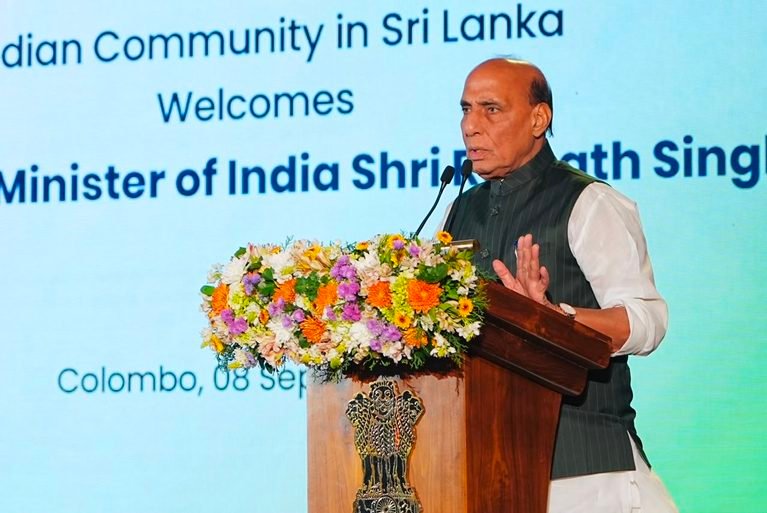
Speaking at the presentation of appointment letters in Colombo, Industry and Entrepreneurship Development Minister Sunil Handunnetti stressed the need to modernise outdated laws and regulations that restrict export growth.
He called for stronger coordination between the public and private sectors, arguing that regulatory reform and technical expertise would be essential to surpass previous export performance and achieve the country’s longer-term targets.
The committee structure combines six cross-cutting groups addressing issues that affect exporters across multiple industries with 18 committees dedicated to specific sectors.
The six functional committees will focus on logistics and hub operations; trade facilitation; trade finance and reforms to the business and investment environment; trade promotion and market linkages; quality, standards and environmental, social and governance requirements; and skills, entrepreneurship and innovation.
Eight additional committees will cover priority sectors identified under the NEDP: auto components and engineering, mineral-based products, rubber-based industries, marine industries including boat and shipbuilding, spices and concentrates, digital products and services, electrical and electronic components, and processed food and beverages.
The remaining ten committees will address apparel, Ayurveda and herbal products and cosmetics, coconut products, construction and power energy services, gems and jewellery, organic products, ornamental fish, pharmaceuticals, seafood and aquaculture, and SME export development.
The broad sector coverage is intended to address the different challenges faced by Sri Lankan exporters, from financing and logistics to product certification, international standards, market access and workforce skills. Improving these areas could help businesses compete more effectively in overseas markets and expand the range of goods and services generating export earnings.
The Ministry and the EDB developed the National Export Development Plan 2026–2030 with public- and private-sector stakeholders, supported by technical assistance from the Asian Development Bank under the Ministry’s policy-based lending programme. The plan outlines strategies to improve the business environment, expand exports and diversify Sri Lanka’s export basket.
The appointments were made under Section 10(1) of the Sri Lanka Export Development Act No. 40 of 1979, which authorises the EDB to establish advisory committees covering products, services and functional aspects of export trade.
For Sri Lanka’s export sector, the key test will be how effectively the committees translate industry recommendations into policy changes, improved market access and stronger export performance. With the 2030 target approaching, implementation of the export development plan and removal of barriers facing businesses will be critical to turning the national ambition into measurable results.