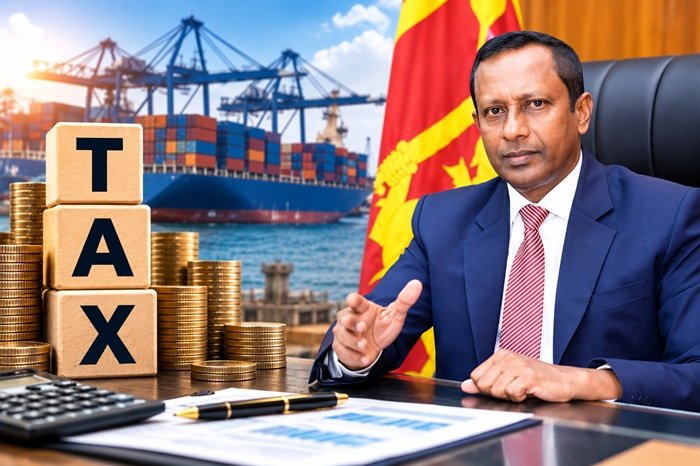
Sri Lanka Customs Revenue Surpasses September Target by 32% as 2026 Collections Near Annual Goal

COLOMBO, October 9, 2026 — Sri Lanka Customs collected Rs. 258.3 billion in September, exceeding its monthly revenue target by 32.1%, as stronger collections from imports and tighter enforcement helped the government advance towards its 2026 fiscal revenue goals.
The September collection exceeded the target of Rs. 195.6 billion by Rs. 62.7 billion, highlighting the revenue authority’s continued contribution to government finances amid the country’s ongoing economic recovery.
Cumulative Customs revenue reached Rs. 2.117 trillion during the first nine months of 2026, surpassing the period’s target by 29.2%. Collections were approximately 22% higher than during the corresponding period last year, according to official data reported on October 9.
The strong performance has brought Customs close to achieving its full-year revenue target of Rs. 2.207 trillion. By the end of September, the department had collected approximately 95.9% of its annual target, with analysts expecting the target to be reached by mid-October.
The 2026 revenue target is 13.5% lower than the Rs. 2.551 trillion collected during 2025, reflecting expectations of a decline in vehicle imports compared with the previous year.
Improved enforcement, more effective customs valuation practices and a recovery in import volumes have contributed to the increase in revenue. Authorities have also strengthened monitoring of under-invoicing and the misdeclaration of imported goods, helping improve the collection of import duties, excise taxes and other levies.
Sri Lanka’s import activity has gradually recovered following the restrictions introduced during the 2022 economic crisis to conserve foreign exchange. As external conditions stabilised and selected import controls were relaxed, increased trade activity supported government revenue.
For the Treasury, stronger Customs collections provide additional support for meeting fiscal targets and financing public expenditure. However, revenue performance remains closely linked to import volumes, trade conditions and the effectiveness of tax administration.
The latest figures underline the importance of maintaining efficient border controls and compliance while supporting legitimate trade. Sustaining revenue growth will be a key consideration as Sri Lanka continues its fiscal consolidation efforts and works towards longer-term economic stability.