Sri Lanka Launches Second King Coconut Village in Badulla Under National Export Drive
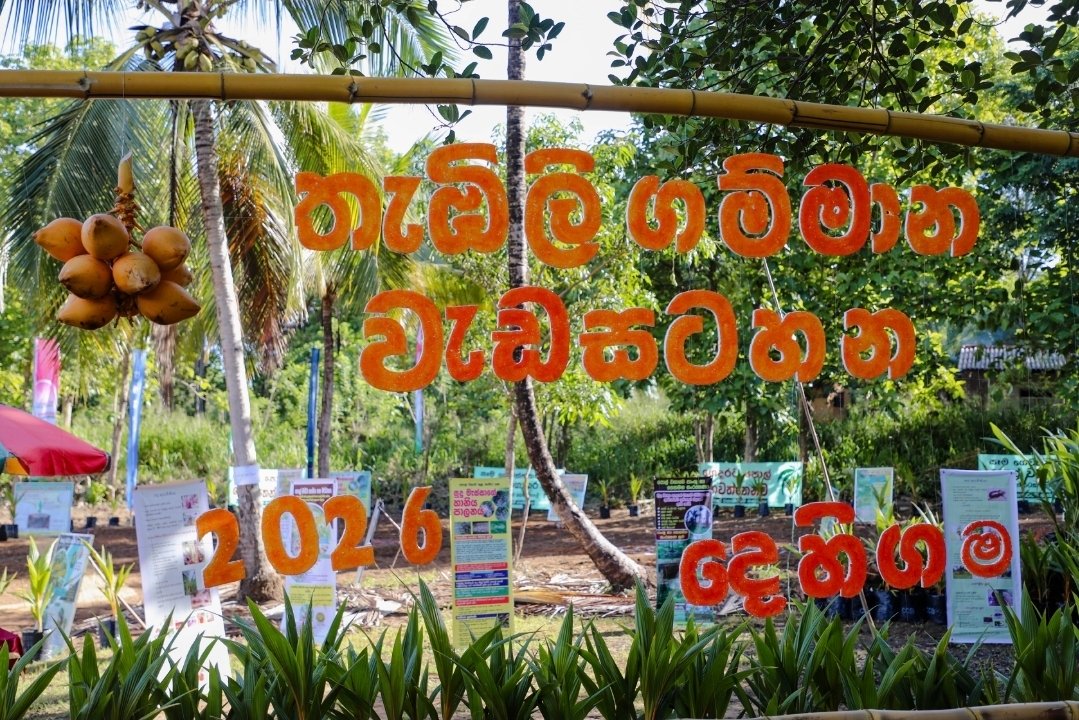
BADULLA, October 12, 2026 — Sri Lanka has launched its second king coconut village in Badulla District as the Government advances a nationwide programme to expand cultivation, improve agricultural productivity and increase export earnings from one of the country’s distinctive agricultural products.
The new village was inaugurated in Dehigama, Rideemaliyadda, on October 10 under the “Ceylon King Coconut Village – 250” initiative, which aims to establish 250 king coconut villages across the country.
Led by the Ministry of Plantation and Community Infrastructure, the programme targets an additional 25 million king coconuts in annual production and an increase of more than US$12 million in export revenue from king coconuts and related products by 2030.
The initiative is expected to strengthen the agricultural value chain by expanding the supply of raw materials, improving the productivity of existing plantations and creating opportunities for growers, processors and exporters.
Cultivation expansion targets 2030 export growth
Under the national programme, 212,500 new king coconut seedlings are scheduled to be planted between 2026 and 2028. A further 221,500 existing trees will be rehabilitated to improve yields and strengthen the long-term sustainability of cultivation.
The expansion is intended to establish a more reliable supply base for the domestic market and export-oriented businesses, supporting the development of value-added products alongside fresh king coconut sales.
King coconut is an established Sri Lankan agricultural product, and increasing production could create opportunities to expand its presence in overseas markets. However, achieving the programme’s export targets will also depend on consistent product quality, efficient processing, market access and the ability of exporters to meet international requirements.
Support for farmers and rural households
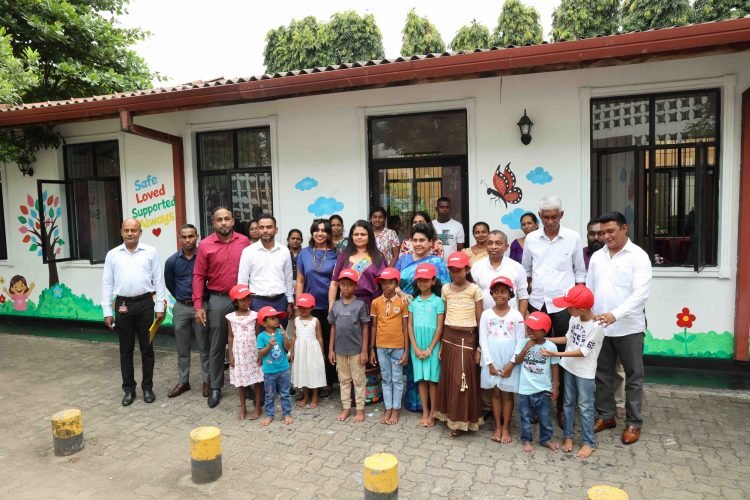
At the Badulla launch, 500 king coconut seedlings were symbolically distributed among growers to encourage cultivation and support the expansion of local production.
Another 500 coconut seedlings were distributed to 250 families under a home gardening initiative linked to the Government’s Praja Shakthi poverty alleviation programme.
Financial assistance was also provided to beneficiaries under the coconut land rehabilitation programme, which is intended to improve the condition and productivity of existing cultivation areas.
These measures are expected to support rural livelihoods by helping farming households establish new trees, rehabilitate plantations and participate in the wider coconut-based agricultural economy.
Irrigation and digital systems to strengthen production
The programme also includes plans to develop irrigation infrastructure covering 500 acres of king coconut cultivation. Improved access to water is expected to help farmers maintain production during dry periods and reduce the risks associated with changing weather conditions.
In addition, a new data management system is planned to connect growers, collectors and exporters across the supply chain. The system is expected to cover activities ranging from cultivation and harvesting to processing and export operations.
Better coordination and data availability could help businesses monitor supply, improve the movement of produce and strengthen links between farmers and export markets.
The effectiveness of these measures will be important in translating expanded cultivation into higher commercial output and sustainable export growth.
National programme seeks broader economic benefits
The nationwide initiative was launched on September 2, with the establishment of 250 king coconut villages forming the foundation of the Government’s broader effort to develop the sector.
If implemented successfully, the programme could generate additional income opportunities for rural communities while supporting agricultural diversification and export development.
Increasing production, improving plantation management and strengthening supply-chain coordination will be central to achieving the targeted additional 25 million nuts annually and more than US$12 million in additional export revenue by 2030.
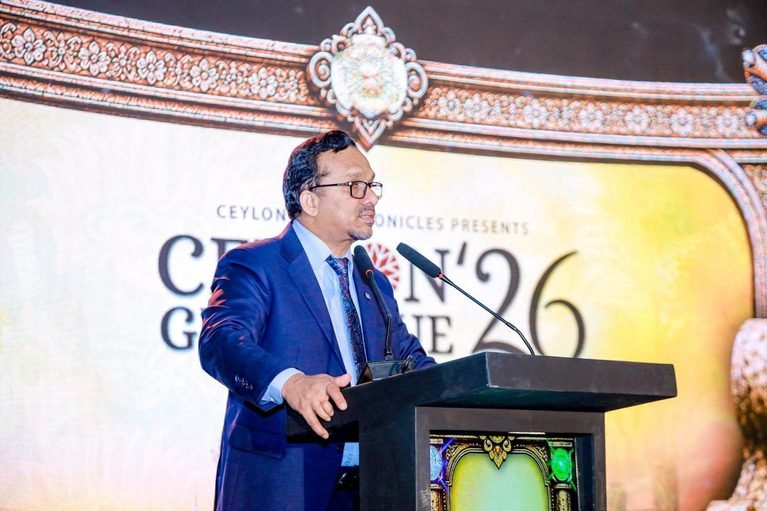
Minister of Plantation and Community Infrastructure Samantha Vidyarathna, Badulla District Member of Parliament Sudath Balagalla and several government officials attended the inauguration in Dehigama.
The expansion of king coconut cultivation represents an effort to connect rural agricultural development with national export ambitions, with the programme’s long-term impact depending on productivity gains, farmer participation and the sector’s ability to secure sustained demand in international markets.