Iran Pushes for Diplomacy After Trump Rejects Hormuz Peace Proposal
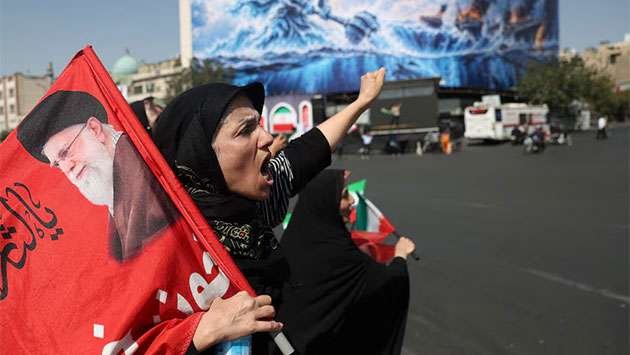
NEW YORK, September 27, 2026 — Iran is continuing to call for a negotiated settlement to its conflict with the United States and Israel after US President Donald Trump rejected Tehran’s proposal linking a reopening of the Strait of Hormuz to an end to hostilities and a reduction in US military pressure.
Iranian Foreign Minister Abbas Araqchi said Tehran’s position remained clear and that reopening the strategically important waterway would depend on specific conditions being met.
“Only a negotiated solution” could resolve the current deadlock, Araqchi said in a social media post, while adding that Iran was awaiting an official response from mediators involved in discussions between Tehran and Washington.
Iran submitted its proposal to the United States through mediators earlier this month, offering a framework under which the Strait of Hormuz could be reopened within a week if Washington reduced military pressure and lifted its blockade of Iranian ports.
The Strait of Hormuz is a critical global energy and shipping route, making the dispute significant beyond the immediate conflict. Disruption to shipping through the waterway has already affected oil flows and contributed to higher global energy prices.
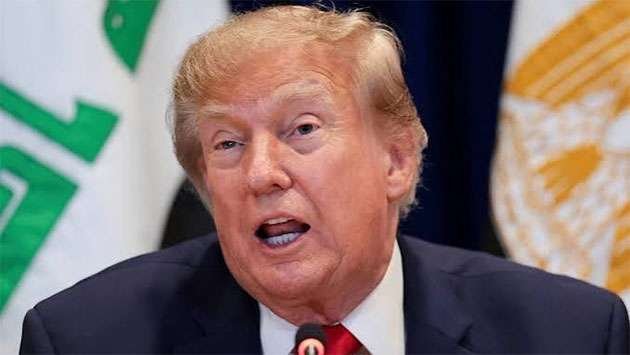
Trump, however, said he had rejected Iran’s proposal, arguing that Tehran was seeking an agreement because of the pressure created by the conflict.
Despite Trump’s public comments, Araqchi said Iranian officials had not yet received a formal rejection through the mediators handling the negotiations.
“We are waiting for the mediators to convey the definitive views to us,” Araqchi said, indicating that Tehran would assess its next steps once an official response was received.
Hormuz remains central to negotiations
The dispute over the Strait of Hormuz has become one of the central issues in efforts to revive diplomacy between Washington and Tehran.
Iran has linked the reopening of the waterway to the removal of US military and economic pressure, while Washington has demanded changes in Iranian policies as part of any broader settlement.
Earlier this week, Reuters reported that Iran had signalled its readiness to reopen the strait within seven days if the United States reduced military pressure and lifted its blockade. Iranian officials also said the country’s delegation at the United Nations had authority to pursue diplomatic negotiations.
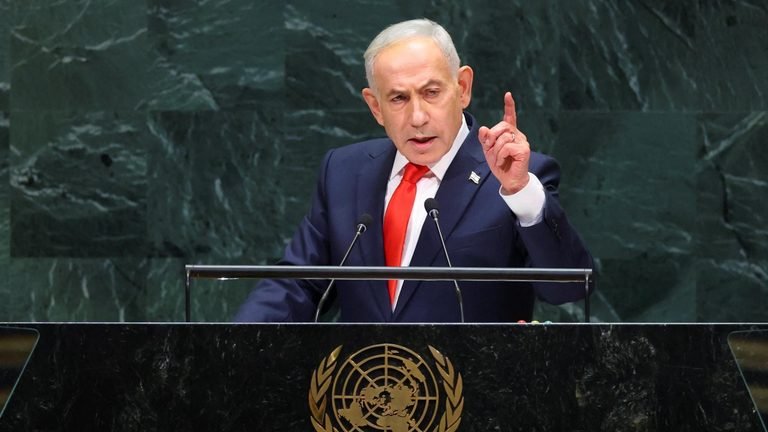
Trump has meanwhile maintained a tougher position, calling for economic pressure on Iran while indicating that a diplomatic agreement could potentially come later. Reuters reported that the US president had shown little interest in restarting formal negotiations during his address to the UN General Assembly.
Global economic consequences
The standoff has significant implications for international energy markets because the Strait of Hormuz is a major route for global oil and gas shipments.
Recent uncertainty over whether commercial shipping can safely use the waterway has contributed to volatility in crude prices. CBS News reported this week that Brent crude rose above US$105 a barrel amid renewed uncertainty over the conflict and the absence of clear progress towards a settlement.
Any sustained disruption could affect energy costs, shipping rates, insurance premiums and supply chains across Asia, Europe and other major consuming markets.
The economic stakes have also encouraged regional governments to support diplomatic efforts aimed at restoring safe navigation through the strait.
Wider regional tensions
The diplomatic dispute is unfolding against a broader regional conflict involving Iran, the United States, Israel and Iran-aligned groups.
The conflict has also affected shipping and security conditions around other regional waterways. Earlier reporting has highlighted concerns that further escalation could affect the Red Sea and Bab el-Mandeb, another important route for global trade and energy shipments.
Iranian President Masoud Pezeshkian has said Tehran is prepared to discuss its nuclear programme and other issues but would not accept what he described as coercion. The United States, meanwhile, has continued to insist that Iran must not acquire a nuclear weapon.
For now, the diplomatic process remains uncertain. Iran says it is prepared to negotiate, while Washington has publicly rejected Tehran’s latest proposal.
The next step is expected to depend partly on the response transmitted through the mediators and whether the two sides can agree on conditions for reopening the Strait of Hormuz and restarting wider negotiations.