
Apple Unveils HomeView Smart Home Hub With Upgraded Siri AI, Intensifying Tech Competition
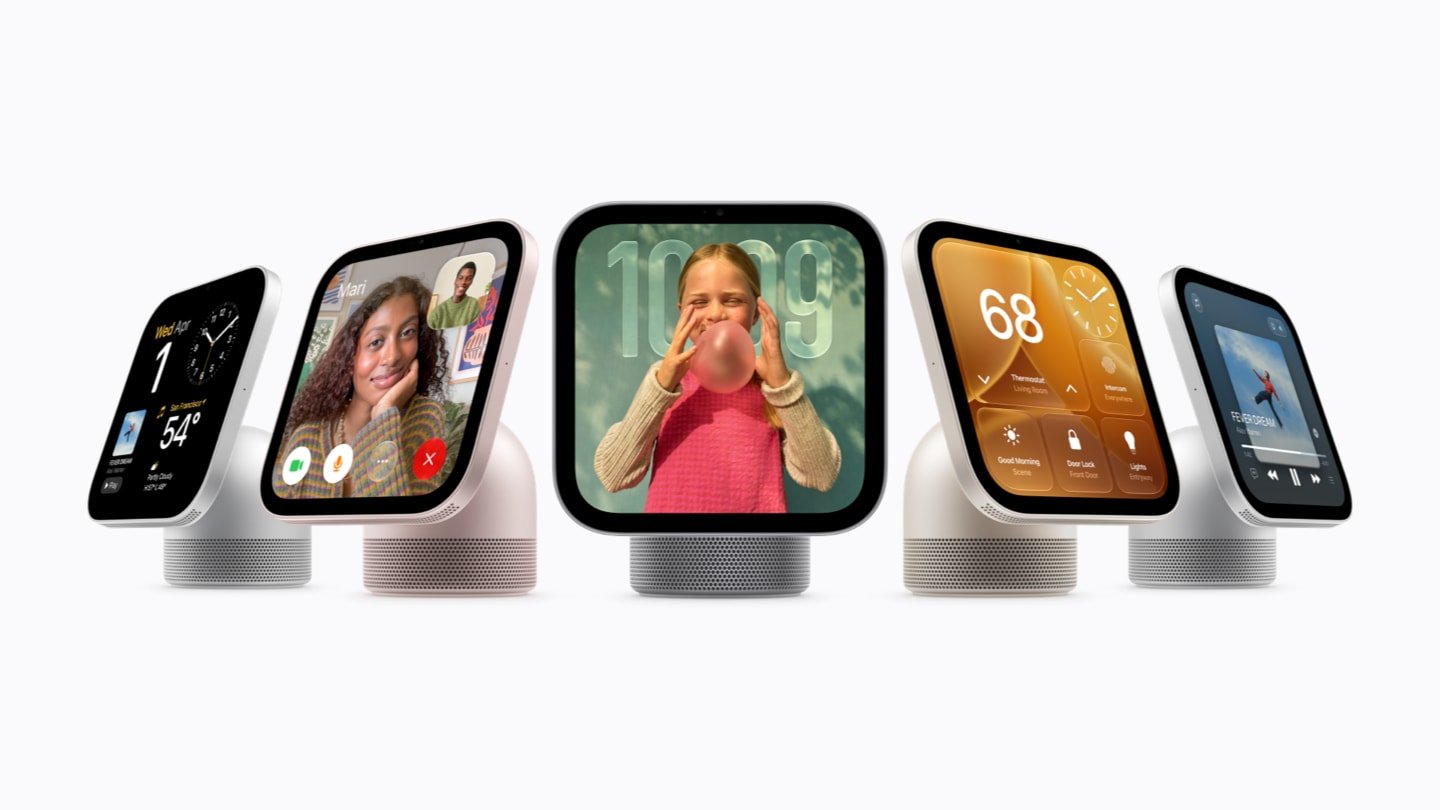
CUPERTINO, October 14, 2026 — Apple has unveiled a new range of smart home devices led by HomeView, a $299 touchscreen hub powered by an upgraded Siri AI assistant, as the technology giant seeks to strengthen its position in the connected-home market and compete with established rivals and emerging artificial intelligence companies.
The new HomeView device features a 7-inch display designed for wall mounting or tabletop use, alongside facial recognition technology and controls for connected household devices, including doorbells, thermostats and smart locks. Pre-orders opened on Tuesday, with shipments scheduled to begin next month and general availability expected from November 13.
The launch marks a renewed push by Apple into a market where its existing HomePod speakers and Home app have faced strong competition from Amazon and Google. By combining a dedicated touchscreen interface with enhanced artificial intelligence, the company is seeking to make its smart home ecosystem more useful and accessible to consumers.
Upgraded Siri takes centre stage
The revamped Siri assistant is a central feature of HomeView, with Apple positioning its AI capabilities as a key differentiator. According to the company, the updated assistant can draw on personal context from applications such as Messages and Calendar to deliver more relevant responses and help users complete tasks.
Apple said the system is powered by Apple Intelligence, with an emphasis on personalised assistance while maintaining user privacy and information security.
The improvement addresses a longstanding challenge for Apple’s smart home business: making voice assistance more capable of understanding users’ needs and providing useful answers. The success of the new platform will depend partly on whether the upgraded Siri delivers a substantially better experience in everyday household tasks.
Broader ecosystem expansion
Alongside HomeView, Apple introduced updates to its HomePod smart speaker and Apple TV devices, as well as additional connected-home accessories developed with partners including LG and Schneider Electric.
The new accessories include smart thermostats, indoor and outdoor security cameras, doorbell cameras, floodlight cameras and smart locks. These products can be managed through Apple’s Home app, extending the range of devices available within its connected-home ecosystem.
The approach also highlights the importance of partnerships in expanding Apple’s presence beyond hardware manufactured under its own brand. Compatibility with third-party products has been a significant consideration for consumers choosing between competing smart home platforms.
Competition intensifies
Apple’s announcement comes as competition in the smart home market increasingly overlaps with the race to develop consumer-facing AI products.
Amazon has invested heavily in its Echo smart speakers and Ring security products, while Google continues to compete through its Google Home ecosystem. Meanwhile, AI-focused companies such as OpenAI have also expressed ambitions to enter the hardware market, creating additional competitive pressure for established technology manufacturers.
For Apple, the commercial opportunity extends beyond sales of individual devices. A more capable smart home hub could encourage customers to purchase compatible accessories and remain within Apple’s wider ecosystem of products and services.
However, the company faces the challenge of convincing consumers that its new devices offer sufficient advantages over existing alternatives to justify their prices and the cost of upgrading their homes.
European market limitation
Apple said HomeView would not be sold in the European Union because its Siri AI capabilities remain unavailable there under the current regulatory environment. The restriction limits the device’s initial geographic reach and highlights the potential influence of regional regulatory requirements on the rollout of AI-powered consumer technology.
Apple first introduced its Home app in 2016, followed by the HomePod in 2018. Despite those investments, its smart home business has competed against established platforms from Amazon and Google, with device compatibility and the capabilities of Siri among the challenges identified by industry analysts.
The introduction of HomeView represents a further attempt to address those limitations through a dedicated control centre and more personalised AI assistance.
The device’s performance in the market will provide an indication of whether Apple can translate its AI investments into stronger consumer demand, broader adoption of connected-home products and a more competitive position in the expanding smart home industry.