India Steps Up Push to Become Global Semiconductor Manufacturing Hub
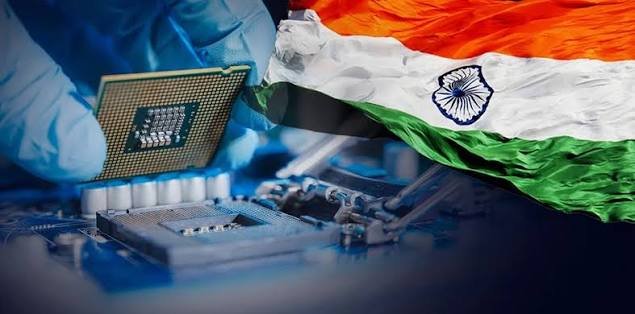
NEW DELHI, September 18, 2026 — Indian Prime Minister Narendra Modi has stepped up efforts to position India as a major global destination for semiconductor manufacturing, calling on international technology companies to invest in the country’s expanding chip industry.
Addressing executives from leading technology companies at a semiconductor conference in New Delhi, Modi described India as a reliable location for semiconductor investment as countries around the world seek to strengthen and diversify critical chip supply chains.
“Chips from Indian plants are reaching customers in India and across the world,” Modi said while addressing industry representatives.
Executives from major global and Indian technology companies, including Tata Electronics, CG Power, Advantest, Applied Materials, ASML, Foxconn, Intel and Micron, participated in the conference and related discussions.
India Targets Greater Role in Global Chip Supply
Modi said the semiconductor industry is facing significant challenges and argued that companies need reliable locations as global supply chains come under increasing pressure.
He also highlighted the importance of reducing vulnerabilities in semiconductor supply chains, particularly at a time when technology and critical supplies are increasingly linked to geopolitical competition.
India began its major push into domestic semiconductor manufacturing in 2021, supporting investments across chip fabrication, design, packaging and related technologies.
$13 Billion Programme to Expand Chip Industry
In July, India approved a new semiconductor programme offering more than US$13 billion in financial assistance to expand domestic chip manufacturing and develop a broader semiconductor ecosystem.
The Semicon 2.0 initiative builds on the country’s earlier semiconductor programme and aims to reduce India’s dependence on imported chips while attracting greater investment and technology into the sector.
Modi also highlighted India’s plans to develop a large pool of skilled workers, including training 100,000 engineers for semiconductor-related projects and 10 million people in artificial intelligence.
He described India’s expanding technology talent base as a major advantage for international companies considering investments in the country.
Five Semiconductor Projects in Commercial Production
India’s semiconductor push has now progressed to the commercial production stage, with Modi remotely inaugurating commercial production at two additional facilities on Thursday.
The latest inaugurations bring the number of semiconductor projects in commercial production in India to five.
Modi acknowledged that building semiconductor capabilities traditionally takes decades, but said India had pursued chip design, manufacturing, equipment, materials, testing and other parts of the semiconductor ecosystem simultaneously.
India Sets $100 Billion Market Target
India’s semiconductor market has expanded significantly in recent years. The market was valued at approximately US$38 billion in 2023 and is estimated to have reached US$45–50 billion during 2024–25.
The Indian government is targeting a semiconductor market worth approximately US$100–110 billion by 2030.
India’s push comes as governments and technology companies worldwide seek to diversify semiconductor production beyond established manufacturing centres, creating opportunities for countries capable of offering investment incentives, skilled talent and reliable supply chains.