
Hambantota Port Handles Over 167,000 Vehicle Deliveries Amid Import Demand
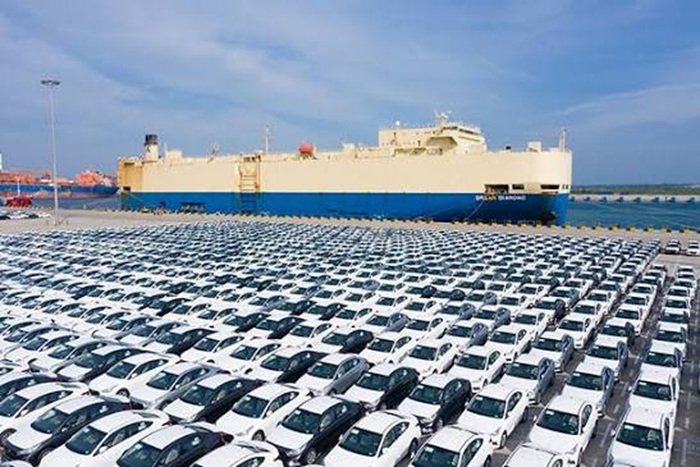
HAMBANTOTA, October 16, 2026 — Hambantota International Port (HIP) handled 167,569 vehicle deliveries between March 2025 and September 2026, highlighting its role in Sri Lanka’s vehicle import supply chain amid changing market conditions and disruptions to international transhipment routes.
According to a statement issued by Hambantota International Port Group (HIPG), the port delivered 86,389 vehicles between March and December 2025, comprising 30,809 brand-new vehicles and 55,580 used vehicles.
A further 81,180 vehicles were delivered during the first nine months of 2026, including 25,018 brand-new vehicles and 56,162 used vehicles.
The figures indicate sustained activity in vehicle handling at the port, with used vehicles accounting for the larger share of deliveries across both periods.
HIPG said it had worked closely with the Vehicle Importers’ Association of Lanka (VIAL) to support importers facing increased demand and operational challenges affecting vehicle movements. The association represents more than 450 members across Sri Lanka and has recognised the port’s flexibility in responding to industry requirements.
As part of its support measures, HIP provided demurrage waivers and concessions during periods of vehicle import restrictions, when vehicles remained at the port for extended periods. These measures were intended to ease additional costs faced by importers while cargo clearance and delivery were delayed.
More recently, disruptions to vehicle transhipment through the Gulf region prompted HIPG to introduce a storage cap mechanism to help affected importers manage expenses associated with vehicles held at the port.
HIPG Chief Executive Officer Wilson Qu said meeting rising demand required more than adequate handling capacity, emphasising the importance of understanding customers’ operational challenges and responding to changing market conditions.
HIPG General Manager of Commercial and Marketing Bindu Ranasinghe said the port’s approach had focused on helping customers control costs while maintaining efficient cargo movement.
VIAL President Sampath Merenchige also acknowledged the port’s responsiveness, noting that timely operational solutions and cost-management measures had provided valuable support to association members.
The port’s vehicle-handling performance highlights the importance of efficient logistics infrastructure to Sri Lanka’s automotive import sector. As importers navigate shifting trade routes, storage requirements and delivery schedules, operational flexibility at ports can help limit avoidable costs and improve the predictability of vehicle distribution.
HIPG’s collaboration with vehicle importers is expected to remain important as the industry responds to evolving demand and disruptions in international shipping networks.