CBSL Holds Policy Rate at 8.75% as Inflation and External Risks Persist
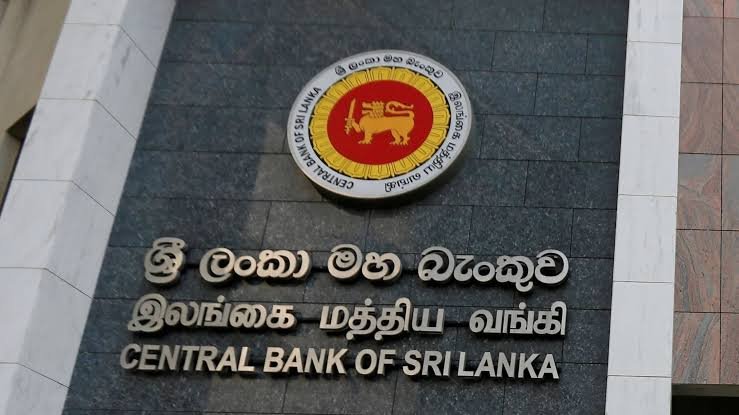
COLOMBO, September 30, 2026 — The Central Bank of Sri Lanka (CBSL) has kept its Overnight Policy Rate (OPR) unchanged at 8.75%, opting to maintain the current monetary policy stance as inflation remains elevated while economic activity and the external sector continue to show resilience.
The Monetary Policy Board said its decision reflected evolving domestic and global economic conditions, including the impact of monetary policy tightening introduced in May 2026, geopolitical tensions in the Middle East and potential risks arising from El Niño conditions.
Despite these uncertainties, Sri Lanka’s economy expanded by 4.7% year-on-year during the first half of 2026, with leading indicators pointing to continued economic momentum.
Inflation Remains Key Policy Concern
Inflation remains the major challenge facing monetary policymakers.
Headline inflation accelerated to 8.0% in August 2026, largely reflecting higher energy prices and their impact across several sectors of the economy.
The CBSL expects inflation to remain in the high single digits through the first quarter of 2027, before gradually easing towards the Central Bank’s medium-term target of 5%.
Core inflation has also increased as higher energy costs filter through to other parts of the economy. However, the Central Bank said medium-term inflation expectations remain broadly anchored around its target.
The latest policy decision therefore signals that the CBSL is prepared to maintain a restrictive enough monetary environment while monitoring whether current inflationary pressures become more persistent.
Private Credit Growth Moderates
The Central Bank said growth in private-sector credit has gradually moderated following recent policy measures.
However, the Monetary Policy Board expects credit flows to remain sufficient to support economic activity, suggesting that the current monetary stance is not expected to significantly constrain productive borrowing.
The balance between controlling inflation and maintaining adequate credit for businesses and consumers remains a key consideration as the economy continues its recovery.
External Sector Shows Resilience
Sri Lanka’s external position has continued to improve despite heightened geopolitical risks and uncertainty in global markets.
The country’s current account is estimated to have returned to surplus in August, following four consecutive months of deficits.
The improvement was supported by more moderate merchandise imports alongside stronger earnings from tourism and workers’ remittances.
Gross official foreign exchange reserves also increased to US$6.9 billion at the end of August, supported by net foreign exchange purchases by the Central Bank.
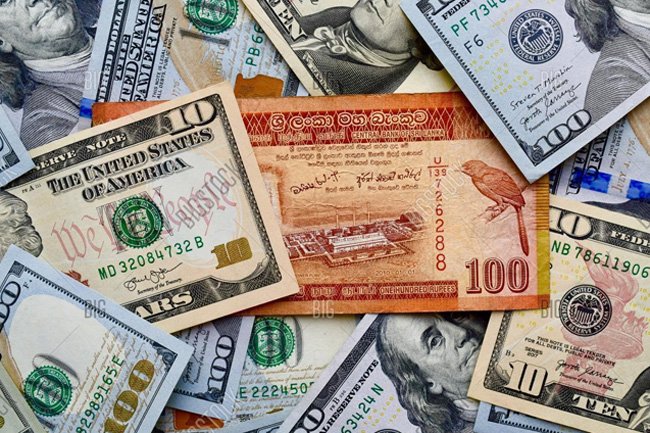
The Sri Lankan rupee appreciated against the US dollar during July and August before recording mixed movements during September.
The recent improvement in Sri Lanka’s sovereign credit rating is also expected to contribute positively to market sentiment and investor confidence.
Global and Climate Risks Remain
The CBSL highlighted continued uncertainty surrounding the global economic environment.
The ongoing geopolitical tensions in the Middle East pose risks to energy prices, trade and financial markets, while potential El Niño-related developments could affect domestic economic activity and prices through their impact on agriculture and other sectors.
For an import-dependent economy such as Sri Lanka, renewed increases in global energy and commodity prices could add further pressure to inflation and the country’s external position.
CBSL Keeps Data-Dependent Approach
The Central Bank said it would continue to adopt a forward-looking and data-dependent approach to monetary policy.
It warned that if inflationary pressures intensify or inflation expectations begin to move away from the target, the CBSL would take timely and appropriate measures to ensure inflation returns towards the 5% target over the medium term.
At the same time, monetary policy will continue to take into account the need to support economic activity around its potential.
The decision to maintain the OPR at 8.75% therefore reflects the CBSL’s attempt to balance two competing priorities: preventing elevated inflation from becoming entrenched while preserving sufficient financial conditions for Sri Lanka’s economic recovery to continue.
With growth remaining resilient, reserves strengthening and the external sector improving, the coming months will be critical in determining whether inflation begins the expected decline towards the Central Bank’s target or requires a further policy response.