Trump Says Iran Has ‘Virtually Given Up’ Plans for Nuclear Weapons
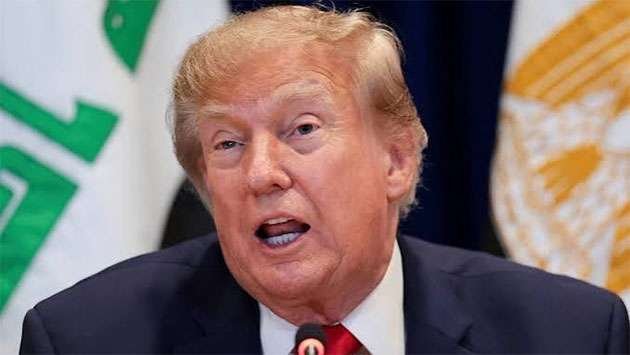
WASHINGTON, October 4, 2026 — US President Donald Trump has said Iran has “virtually given up” plans to develop nuclear weapons, offering a potentially significant indication of Washington’s assessment of Tehran’s nuclear ambitions as the conflict between the two countries enters its eighth month.
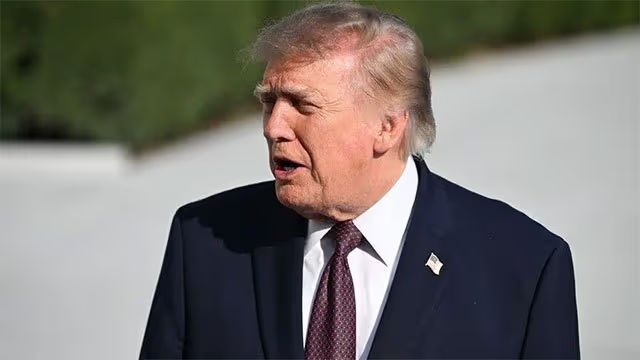
Speaking to reporters before leaving the White House for a campaign rally in Ohio on Saturday, Trump said Iran’s position on nuclear weapons had changed while also pointing to falling global oil prices.
“Oil is coming down,” Trump said, claiming prices were now lower than during the previous US administration.
He then stated that Iran had “virtually given up any plans of a nuclear weapon.”
Preventing Iran from developing nuclear weapons has remained one of Washington’s central objectives throughout the conflict, making Trump’s latest remarks potentially significant for ongoing diplomatic efforts.
Tehran Continues to Deny Nuclear Weapons Ambitions
Iran has repeatedly rejected US and Israeli allegations that it is seeking to develop nuclear weapons.
Iranian President Masoud Pezeshkian, speaking during his visit to New York for the United Nations General Assembly last month, reiterated that Tehran has no intention of developing a nuclear weapon.
Pezeshkian cited religious grounds for Iran’s position and offered to dilute Iran’s enriched uranium stockpiles under international verification, potentially providing a basis for further negotiations.
However, Tehran has maintained that its right to a peaceful civilian nuclear programme is non-negotiable.
Iran has also insisted that it will not make major structural concessions unless the United States agrees to lift economic sanctions imposed on the country.
Diplomatic Opening Could Ease Regional Tensions
Trump’s latest comments come amid continuing efforts to find a diplomatic solution to the conflict.
If Washington and Tehran can reach an agreement over Iran’s nuclear programme, the development could create an opening for a broader reduction in military tensions and potentially pave the way for negotiations on sanctions and regional security.
The conflict has already had major consequences across the Middle East, affecting energy markets, international shipping and regional security.
Any sustained de-escalation could therefore have implications well beyond the US-Iran relationship, particularly for countries dependent on Middle Eastern energy supplies and major maritime trade routes.
For now, however, Iran continues to insist that its civilian nuclear programme and economic interests must be protected, leaving the prospects for a broader agreement uncertain.