
Petrol-Only Vehicles Fall Below 50% of Global Auto Market for First Time
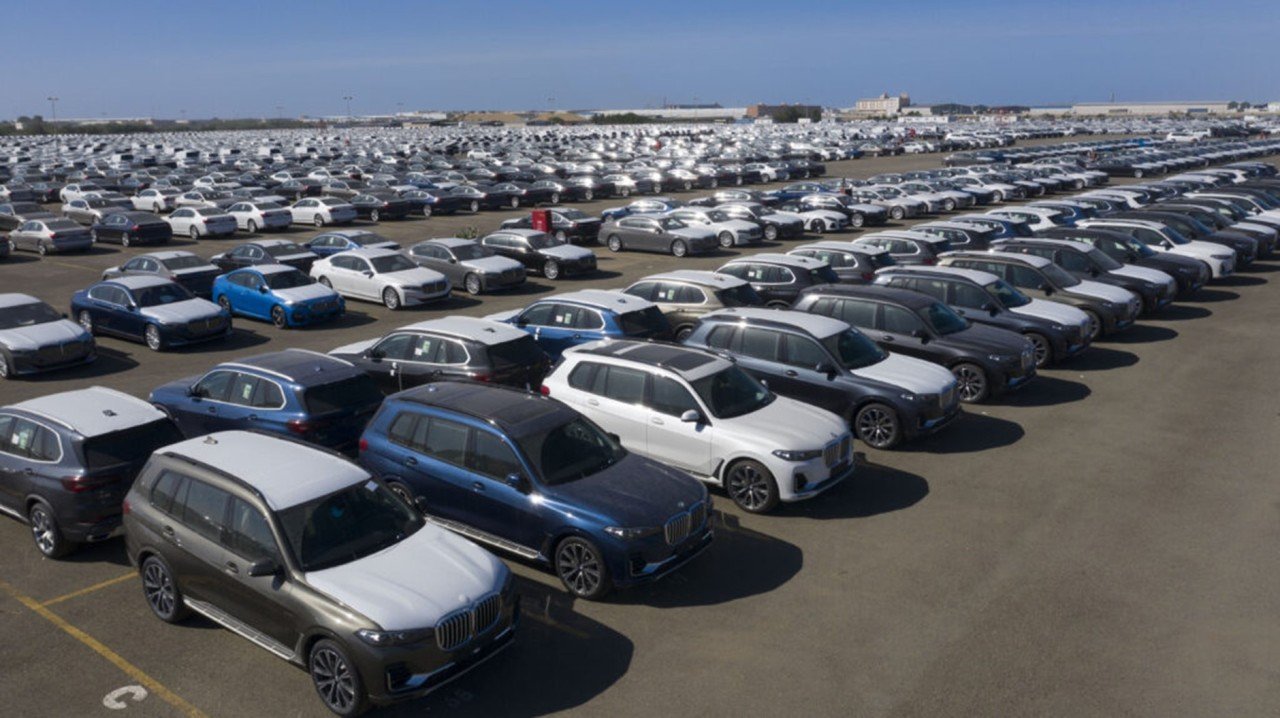
TOKYO, October 15, 2026 — Petrol-only vehicles accounted for less than half of global new-vehicle sales for the first time in the first half of 2026, marking a major shift in the automotive industry as consumers increasingly turn to hybrid and battery-electric alternatives amid rising fuel costs.
According to data reported by Nikkei Asia, citing an analysis by Global Mobility, sales of petrol-powered internal combustion engine (ICE) vehicles fell 10% year-on-year to 20.25 million units during the January–June period, representing 49% of the global market.
The latest figures highlight the scale of the transition underway in the global automotive sector. In 2021, conventional internal combustion engine vehicles accounted for approximately 73% of the market, illustrating the rapid growth of alternative powertrain technologies over the past five years.
Hybrid vehicles continued to gain ground, accounting for 18% of global new-vehicle sales. Sales increased 10% year-on-year to 7.27 million units, reflecting continued demand for vehicles that combine conventional engines with electric propulsion.
Battery electric vehicle (BEV) sales also expanded, rising 12% to 6.87 million units and capturing 17% of the global market. The figures point to growing acceptance of fully electric vehicles as charging infrastructure, vehicle availability and operating-cost considerations increasingly influence purchasing decisions.
Rising oil prices have emerged as another factor shaping consumer preferences. Geopolitical tensions, including the US-Iran conflict and disruptions affecting the Strait of Hormuz, have heightened concerns over energy supply security and fuel costs, strengthening the appeal of vehicles that reduce or eliminate dependence on petrol.
Yoshiaki Kawano, associate director at Global Mobility, said electric vehicle adoption had slowed around 2024, while hybrids gained popularity following reductions in subsidies and other market changes. However, higher oil prices have renewed consumer interest in the lower operating costs associated with electric vehicles.
Kawano also noted that relatively few electric vehicle buyers return to petrol-powered cars or hybrids, adding that falling vehicle prices could support demand driven increasingly by consumer needs rather than government incentives.
Despite the overall growth in electric mobility, regional sales trends remain uneven.
China accounted for approximately half of global BEV sales during the first half of 2026, with sales reaching 3.44 million units. However, the figure represented a 3% year-on-year decline, which the report attributed partly to reductions or the expiry of certain electric vehicle incentives earlier in the year.
Southeast Asia recorded a significantly stronger performance, with BEV sales surging 81% to 850,000 units. Financial incentives for consumers and manufacturers, government policies supporting lower-emission transport, and investments by international automakers have contributed to the region’s growing electric vehicle market.
Companies such as Chery and BYD have expanded their regional manufacturing presence, while the emergence of local electric vehicle manufacturers has helped broaden consumer choice and improve affordability.
Europe also recorded robust growth, with BEV sales increasing 32% year-on-year. Electric vehicles outsold petrol-powered vehicles in 31 major European markets, underscoring the region’s accelerating shift towards electrified transport.
In Oceania, BEV sales more than doubled during the period, indicating rapidly growing demand across the regional market.
North America, however, moved in the opposite direction. BEV sales declined 15% year-on-year, with the reduction of financial incentives for electric vehicle purchases in the United States under the current administration cited as a contributing factor.
The contrasting regional performances demonstrate how government policies, energy prices, manufacturing investment and consumer purchasing power continue to influence the pace of electric vehicle adoption.
The broader market shift has significant implications for global automakers, oil producers and energy companies. Manufacturers face increasing pressure to diversify their product portfolios, invest in electrification and adapt to changing consumer preferences, while sustained growth in electric mobility could gradually alter long-term demand for petroleum products.
Although petrol-powered vehicles remain the largest individual category of new-vehicle sales, their declining market share signals a structural change in the industry. With hybrids and battery-electric vehicles gaining ground, the global automotive market is moving towards a more diversified mix of powertrain technologies.