US Hopes Russian Diesel Deal Will Help Bring Moscow Back to Ukraine Peace Talks
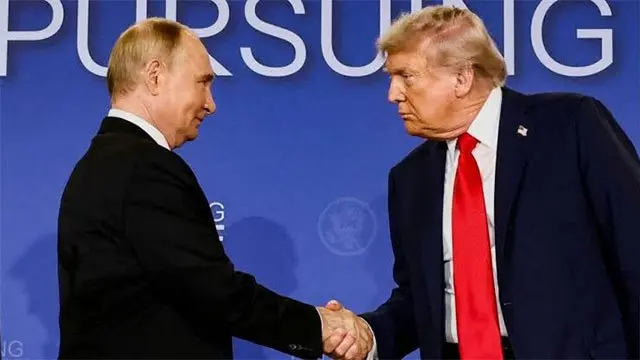
WASHINGTON, October 13, 2026 — The Trump administration is seeking to use a controversial deal allowing Russian diesel exports to encourage Moscow to resume negotiations over the war in Ukraine, according to people familiar with a recent meeting between US and Ukrainian officials, highlighting Washington’s efforts to combine economic incentives with diplomatic pressure.
US Middle East envoy Steve Witkoff and President Donald Trump’s son-in-law Jared Kushner reportedly told Ukrainian officials during a meeting in Miami on Friday that Russian President Vladimir Putin was not ready to negotiate an end to the conflict. The proposed diesel arrangement could, however, help reopen trilateral discussions involving the United States, Russia and Ukraine, Reuters reported, citing three people familiar with the talks.
One source said Washington believed the agreement could help “soften” Russia’s position by signalling that Trump remained open to economic cooperation with Moscow.
The approach has generated controversy in Washington and Kyiv, with critics arguing that easing restrictions on Russian energy exports could provide financial benefits to Moscow without securing meaningful concessions towards ending the war.
Energy deal becomes part of US diplomatic strategy
Under the reported arrangement, Russia is expected to supply more than 2.25 million barrels of diesel to US and global markets. Trump has defended the agreement as a measure to reduce energy prices for American consumers and businesses, with fuel costs emerging as a political concern ahead of the US midterm elections.
However, the administration is also reportedly treating the deal as part of a broader diplomatic effort to encourage Russia to return to negotiations after previous attempts to establish sustained peace talks failed.
According to people familiar with the Miami meeting, Kushner reiterated Washington’s request for Ukraine to halt attacks on Russian oil refineries. The administration believes that a reduction in such strikes, combined with the diesel arrangement, could provide an opening for reciprocal steps from Moscow.
One person familiar with the discussions described the strategy as giving Russia an economic concession while asking Ukraine to stop targeting refineries, allowing Washington to press Moscow to respond with progress towards negotiations.
The approach reflects the administration’s effort to use commercial and economic incentives to influence the calculations of both sides, although there is no indication that the strategy has secured a formal commitment from Russia to end the conflict.
Uncertainty surrounds proposed energy ceasefire
Trump announced an energy ceasefire between Russia and Ukraine on Sunday, shortly after unveiling the diesel deal. However, neither side had formally confirmed the arrangement, and Russia reportedly struck Ukrainian energy targets on Monday.
Kremlin spokesman Dmitry Peskov also rejected Ukrainian President Volodymyr Zelensky’s proposal for a comprehensive 60-day truce, underscoring the continuing differences between the two sides.
The developments have raised questions about whether limited agreements involving energy infrastructure can create momentum towards a broader ceasefire.
Ukraine has indicated that it could accept an energy ceasefire if Russia also agrees to observe it. However, Ukrainian officials reportedly remained sceptical during the Miami meeting about Washington’s strategy of using economic arrangements to encourage Russian cooperation.
The Russian Embassy in Washington and the Ukrainian presidential office did not immediately respond to requests for comment, according to Reuters.
Sanctions relief has yet to resolve core differences
The diesel agreement is not the first attempt by the Trump administration to encourage Moscow through economic incentives. Previous efforts have included proposals involving sanctions relief and potential mineral-related agreements, but these initiatives have not produced a comprehensive ceasefire.
A person close to the Kremlin told Reuters that Putin would seek control of the remaining 11% of the Donbas region as a condition for returning to negotiations, presenting such an outcome domestically as a victory.
Ukraine, meanwhile, has rejected handing additional territory to Russia but has indicated that freezing the conflict along existing front lines could form the basis of a settlement.
These competing positions remain a major obstacle to a negotiated agreement, raising doubts about whether economic concessions alone can bridge the gap between Moscow’s territorial demands and Kyiv’s position.
Trump has repeatedly maintained that Putin wants a settlement, but Ukrainian and European officials have questioned whether Russia is prepared to end its military campaign in the near term. The reported assessment by US envoys that Putin is not ready to negotiate suggests that views within the administration may differ on Moscow’s willingness to reach an agreement.
Fuel-price benefits remain uncertain
The diesel arrangement has also faced criticism from US lawmakers who argue that easing restrictions on Russian energy exports could provide Moscow with additional revenue to sustain its military campaign.
Trump has defended the agreement as the right choice for American consumers, citing the need to reduce energy costs. Nevertheless, analysts have questioned its potential impact on domestic fuel prices, noting that the additional supply would represent less than a day of consumption for the US transport sector.
The administration has attributed part of the recent increase in fuel prices to Ukrainian attacks on Russian refineries. However, many energy analysts identify the conflict involving the United States, Israel and Iran as the principal driver of current global fuel-market disruptions.
The debate illustrates the competing economic and strategic considerations facing Washington as it seeks to manage domestic energy costs while pursuing an end to the war in Ukraine.
Reconstruction and security guarantees remain on the agenda
The Miami meeting, which also involved European officials and virtual participation by World Bank representatives, covered wider issues related to Ukraine’s future security and economic recovery.
Discussions reportedly included security guarantees for Ukraine, reconstruction funding and the need for Kyiv to formalise investment plans to support the country’s recovery. The details of the security discussions were not disclosed, and the World Bank declined to comment.
US officials also highlighted Washington’s existing military and intelligence support for Ukraine. According to people familiar with the meeting, the American envoys did not threaten to withdraw that support if Kyiv refused to stop attacks on Russian refineries.
The Ukrainian delegation left the meeting without reaching a formal agreement, although it signalled a willingness to participate in an energy ceasefire if Russia reciprocated.
For global energy markets and international diplomacy, the proposed diesel deal illustrates how fuel supplies, sanctions policy and commercial incentives are increasingly intertwined with efforts to resolve geopolitical conflicts. Whether the arrangement can translate into meaningful negotiations remains uncertain, with the outcome dependent on Moscow’s response, Ukraine’s security concerns and the ability of Washington to secure reciprocal commitments from both sides.